Personal Use Exemption: Individual Game Preservation Rights
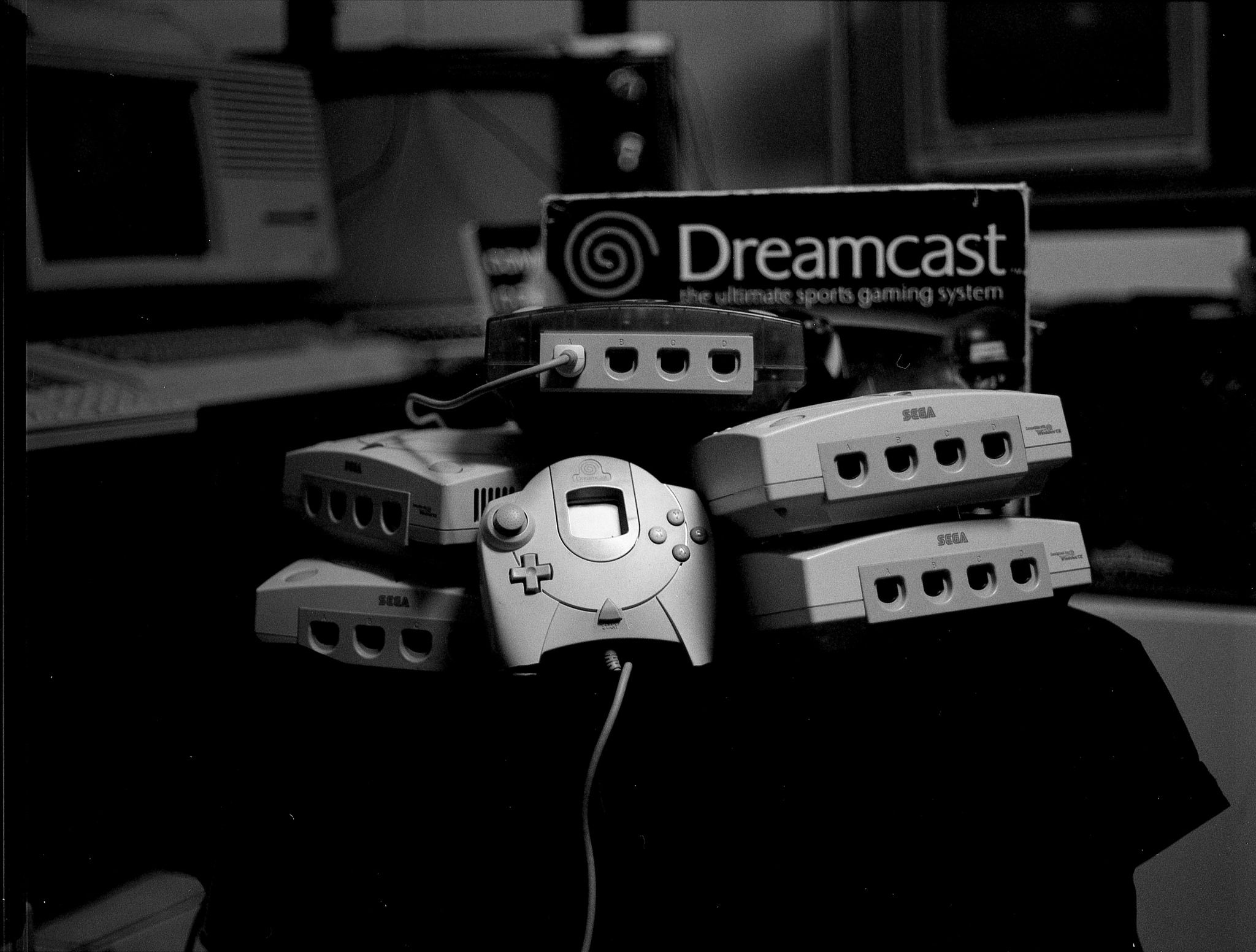
Imagine a world where your favorite childhood games vanish, lost to time because they can't be played on modern systems or the companies that made them no longer exist. It's a scary thought, isn't it? The ephemeral nature of digital content raises questions about ownership and preservation, especially when it comes to the video games we love.
The challenge of keeping classic games alive is real. Old consoles break down, game cartridges degrade, and online services shut down, taking entire libraries with them. Finding legitimate ways to access these games becomes increasingly difficult, often pushing enthusiasts toward legally murky areas in their quest to preserve gaming history.
This article aims to shed light on the concept of "Personal Use Exemption" within the context of individual game preservation rights. We'll explore what it means, how it works (or doesn't), and what the implications are for gamers who want to keep their favorite titles alive for future generations.
We'll delve into the intricacies of copyright law, fair use, and the ongoing debate surrounding game preservation. We will also discuss the potential legal pitfalls and ethical considerations associated with making backups of games you own. Ultimately, we will provide a balanced perspective on the personal use exemption, acknowledging its limitations while also highlighting its importance in safeguarding our collective gaming heritage. This blog post will cover Personal Use Exemption, individual game preservation, copyright, fair use, game backups, emulation, and digital archiving.
The Reality of Abandonware and Personal Use
I remember spending countless hours playing an obscure RPG on my old PC back in the late 90s. The company went bankrupt shortly after, and the game vanished from store shelves and digital marketplaces. Years later, I wanted to revisit it, but finding a legitimate copy was impossible. It was essentially abandonware, existing only in the memories of a few dedicated fans. This sparked my interest in game preservation. This issue is very real. The concept of abandonware, while not a legal term, highlights the practical problem of games becoming inaccessible due to the demise of their publishers or the incompatibility of old software with modern systems. The personal use exemption, in theory, should allow individuals to make backup copies of games they legally own for archival purposes, ensuring these titles aren't lost forever. In reality, the legal landscape is far more complex. Copyright laws are often interpreted strictly, and even making a backup for personal use can be seen as infringement. The key lies in understanding the nuances of fair use and the specific regulations in your jurisdiction. Furthermore, the personal use exemption is not a free pass to distribute copyrighted material. Sharing backup copies with others, even if they also own the game, can lead to legal trouble. The exemption is intended for individual preservation, not widespread dissemination. This is where emulation becomes crucial. Emulators allow us to play old games on modern hardware, but they often require ROMs (digital copies of the game), which can be a legal grey area. The debate continues, with some arguing that emulating abandonware is a necessary step to preserve gaming history, while others maintain that it still violates copyright law. Therefore, understanding personal use exemptions is important.
What is Personal Use Exemption?
The "Personal Use Exemption" within the context of copyright law refers to the allowance for individuals to make copies of copyrighted works for their own private use, without seeking permission from the copyright holder. This exemption is not universally recognized and varies significantly from country to country. Its aim is to balance the rights of copyright holders with the public's interest in accessing and using copyrighted material for non-commercial purposes. In the realm of video games, the personal use exemption comes into play when individuals seek to create backups of games they legally own. This might involve ripping a game disc, creating a ROM image of a cartridge, or modifying game files for compatibility with modern systems. The rationale behind this is that these actions are intended to preserve the game for personal enjoyment and prevent its loss due to hardware failure, obsolescence, or the disappearance of the original publisher. However, the legality of such activities remains a subject of ongoing debate. Copyright holders often argue that any unauthorized copying, even for personal use, infringes on their exclusive rights. They may also claim that making backups circumvents copy protection measures and facilitates piracy. Courts have generally taken a cautious approach to personal use exemptions, often weighing the potential harm to the copyright holder against the public benefit of allowing such copying. Factors such as the purpose and character of the use, the nature of the copyrighted work, the amount and substantiality of the portion used, and the effect of the use upon the potential market for the copyrighted work are all considered. In many jurisdictions, the personal use exemption is narrowly defined and may not cover activities such as distributing backup copies, sharing ROMs online, or using backups to circumvent copy protection. In that context, one must understand Personal Use Exemption.
The History and Myths of Personal Use Exemption
The concept of a "personal use exemption" in copyright law has evolved over time, often influenced by technological advancements and changing societal attitudes toward intellectual property. Its origins can be traced back to the early days of copyright, when laws were primarily focused on protecting printed works. As technology advanced, the scope of copyright expanded to encompass new forms of expression, such as music, film, and software. With the advent of digital media, the issue of personal use became increasingly complex. The ease with which digital works could be copied and distributed raised concerns about widespread infringement. In response, many countries introduced or clarified provisions for personal use exemptions, aiming to strike a balance between protecting copyright holders and allowing individuals to engage in legitimate non-commercial activities. There are several myths surrounding the personal use exemption. One common misconception is that it provides a blanket permission to copy any copyrighted work for personal use. In reality, the exemption is often limited in scope and subject to various conditions. Another myth is that personal use copying is always legal, regardless of its impact on the market for the copyrighted work. Courts often consider the potential harm to the copyright holder when determining whether a particular use qualifies as fair use or falls within the scope of a personal use exemption. A third myth is that personal use copies can be freely shared with others. Most jurisdictions prohibit the distribution of unauthorized copies, even if they were initially made for personal use. The history of personal use exemption is intertwined with debates about fair use, digital rights management (DRM), and the role of copyright in promoting innovation and creativity. As technology continues to evolve, the legal landscape surrounding personal use is likely to remain complex and contested. Therefore, myths of Personal Use Exemption should be understood.
The Hidden Secrets of Personal Use Exemption
One of the lesser-known aspects of personal use exemption is its interplay with digital rights management (DRM) technologies. DRM is often used to restrict the copying and distribution of digital content, including video games. However, some argue that DRM can also undermine the personal use exemption by preventing individuals from making legitimate backups of games they own. The legality of circumventing DRM for personal use is a contentious issue. Some jurisdictions have laws that prohibit the circumvention of DRM, even for non-commercial purposes. Others may allow circumvention under certain circumstances, such as when it is necessary to make a backup copy for archival purposes. Another hidden secret is the role of libraries and archives in preserving cultural heritage. Libraries and archives often rely on copyright exceptions, including personal use exemptions, to make copies of copyrighted works for preservation purposes. These copies may be used to ensure the long-term accessibility of cultural materials, even if the original works are damaged or unavailable. The personal use exemption can also have implications for accessibility. Individuals with disabilities may need to make copies of copyrighted works in order to access them in a format that is compatible with their assistive technologies. Copyright laws often include provisions that allow for such copying, either under the personal use exemption or under specific accessibility exceptions. The hidden secrets of the personal use exemption lie in its nuanced application and its interaction with other areas of copyright law. Understanding these complexities is crucial for individuals and institutions that seek to preserve and access copyrighted works for legitimate non-commercial purposes. In this respect, understanding these hidden secrets of Personal Use Exemption is very important.
Recommendations for Personal Use Exemption
Navigating the legal landscape of personal use exemptions can be tricky, but here are some recommendations to help you stay on the right side of the law: First, always purchase games legally. This establishes your ownership and strengthens your argument for making a backup copy for personal use. Second, familiarize yourself with the copyright laws in your jurisdiction. Understand the specific provisions related to personal use exemptions and fair use. Third, avoid distributing backup copies of games to others, even if they also own the game. The personal use exemption is intended for individual preservation, not widespread sharing. Fourth, be cautious about circumventing DRM. Check the laws in your jurisdiction to see if it is permissible to bypass DRM for personal use purposes. Fifth, consider supporting game preservation efforts. Many organizations are working to preserve classic games through legal and ethical means. You can support their work by donating, volunteering, or simply spreading awareness. Sixth, explore alternative options for accessing classic games. Some publishers offer digital re-releases of their older titles, while others license their games to streaming services. These options allow you to enjoy classic games without infringing on copyright. Seventh, if you are unsure about the legality of a particular activity, seek legal advice. A copyright lawyer can provide you with tailored guidance based on your specific circumstances. Eighth, document your efforts to preserve games. Keep records of your purchases, your backup copies, and any modifications you make to the games. This can help you demonstrate that your actions are intended for personal use and not for commercial gain. Therefore, these tips on Personal Use Exemption should be considered.
Understanding Fair Use
Fair use is a legal doctrine that allows the use of copyrighted material without permission from the copyright holder under certain circumstances. It is a complex and often misunderstood concept, but it plays a crucial role in balancing the rights of copyright holders with the public interest in accessing and using copyrighted works. In the United States, fair use is determined by a four-factor test: (1) the purpose and character of the use, including whether such use is of a commercial nature or is for nonprofit educational purposes; (2) the nature of the copyrighted work; (3) the amount and substantiality of the portion used in relation to the copyrighted work as a whole; and (4) the effect of the use upon the potential market for or value of the copyrighted work. These factors are weighed together to determine whether a particular use qualifies as fair use. The first factor, the purpose and character of the use, considers whether the use is transformative, meaning that it adds something new, with a further purpose or different character, and does not merely supplant the original work. Uses that are transformative are more likely to be considered fair use. The second factor, the nature of the copyrighted work, considers whether the work is factual or creative. Fair use is more likely to apply to factual works than to creative works. The third factor, the amount and substantiality of the portion used, considers how much of the copyrighted work was used in relation to the whole work. Using a small portion of a work is more likely to be considered fair use than using a large portion. The fourth factor, the effect of the use upon the potential market for or value of the copyrighted work, considers whether the use harms the copyright holder's ability to profit from the work. Uses that do not harm the market for the work are more likely to be considered fair use. In the context of game preservation, fair use may come into play when individuals make copies of games for archival purposes or when researchers use game content for scholarly analysis. However, the application of fair use to these activities is often uncertain and depends on the specific facts of each case. In that context, the fair use of Personal Use Exemption is important.
Tips for Ethical Game Preservation
Ethical game preservation goes beyond simply making backups of games. It involves respecting the rights of copyright holders, acknowledging the contributions of game developers, and promoting responsible access to gaming history. Here are some tips for ethical game preservation: First, give credit where credit is due. When sharing information about games, always acknowledge the original developers, publishers, and artists. Second, avoid profiting from game preservation efforts. Do not sell backup copies of games or use them for commercial purposes without permission from the copyright holder. Third, respect the wishes of game developers and publishers. If a copyright holder asks you to remove a game from your website or collection, comply with their request. Fourth, promote responsible access to gaming history. Share information about games with others, but do not encourage or facilitate piracy. Fifth, support game preservation organizations. These organizations are working to preserve classic games through legal and ethical means. Sixth, be transparent about your game preservation activities. Disclose your methods and sources, and be open to feedback from others. Seventh, consider the cultural significance of games. Games are not just entertainment; they are also cultural artifacts that reflect the values, beliefs, and experiences of the people who created and played them. Eighth, advocate for better copyright laws. Copyright laws should be reformed to better balance the rights of copyright holders with the public interest in preserving cultural heritage. These are just a few tips for ethical game preservation. By following these guidelines, you can help ensure that classic games are preserved for future generations in a way that is respectful, responsible, and sustainable. Therefore, one should follow ethical Game Preservation of Personal Use Exemption.
Preservation and Emulation
Emulation is a key technology in game preservation. It allows us to play old games on modern hardware by simulating the behavior of the original consoles and computers. Emulators are software programs that mimic the functionality of a specific hardware platform, allowing users to run software designed for that platform on a different system. Emulation is particularly important for preserving games that were released on obsolete or discontinued platforms. As hardware ages, it becomes more difficult to find working consoles and computers, and the original media (e.g., cartridges, discs) can degrade over time. Emulators provide a way to circumvent these limitations and ensure that these games remain playable for future generations. However, the use of emulators raises legal and ethical questions. Emulators themselves are generally legal, as they are simply software programs that simulate hardware. However, the ROMs (digital copies of games) that are used with emulators are often copyrighted, and distributing or downloading them without permission from the copyright holder is illegal. Some argue that emulating abandonware (games that are no longer commercially available and whose copyright holders are no longer actively enforcing their rights) is a necessary step to preserve gaming history. Others maintain that even emulating abandonware without permission infringes on copyright. The legal status of emulation varies from country to country. Some countries have specific laws that address the issue of emulation, while others rely on general copyright principles to determine its legality. It's important to understand the laws in your jurisdiction before using emulators or downloading ROMs. In that sense, Preservation and Emulation of Personal Use Exemption is important.
Fun Facts About Game Preservation
Did you know that the Library of Congress is actively involved in game preservation? The Library of Congress has been collecting and archiving video games since the 1980s, recognizing their cultural and historical significance. Another fun fact is that some game developers have released the source code of their older games, allowing fans to create mods, ports, and remasters. This is a great way to ensure that these games remain playable and relevant for future generations. A third fun fact is that there are entire communities dedicated to preserving specific types of games, such as arcade games, console games, and computer games. These communities often work together to create emulators, document game history, and restore old hardware. A fourth fun fact is that some museums have dedicated exhibits to video games, showcasing their evolution and impact on society. These exhibits help to raise awareness about the importance of game preservation and educate the public about gaming history. A fifth fun fact is that some universities offer courses on game preservation, teaching students how to archive, emulate, and study video games. These courses are helping to train the next generation of game preservationists. A sixth fun fact is that some game companies have started their own game preservation initiatives, remastering or re-releasing their classic titles on modern platforms. This is a great way to ensure that these games are accessible to a wider audience and that their legacy is preserved. These fun facts highlight the growing recognition of the importance of game preservation and the diverse efforts that are being made to safeguard our gaming heritage. In that respect, Fun Facts About Game Preservation and Personal Use Exemption are very important.
How to Back Up Your Games (Legally!)
Backing up your games is essential for preserving them, but it's important to do so legally. Here's a step-by-step guide to backing up your games while staying on the right side of the law: First, determine the type of game you want to back up. This could be a physical disc, a cartridge, or a digital download. Second, research the legal restrictions in your jurisdiction. Understand the specific provisions related to personal use exemptions and fair use. Third, if you have a physical disc, you may be able to create an ISO image of the disc using software such as Img Burn or Clone CD. This creates a digital copy of the disc that can be stored on your computer or external hard drive. Fourth, if you have a cartridge, you may be able to create a ROM image of the cartridge using a device such as a Retrode or a USB cartridge reader. This creates a digital copy of the cartridge that can be used with an emulator. Fifth, if you have a digital download, you may be able to create a backup copy of the game files by simply copying them to a different location. However, be sure to check the terms of service of the digital distribution platform to ensure that this is permitted. Sixth, store your backup copies securely. Keep them on a separate hard drive or in the cloud, and make sure to create multiple backups in case one is lost or damaged. Seventh, do not distribute your backup copies to others. The personal use exemption is intended for individual preservation, not widespread sharing. By following these steps, you can back up your games legally and ensure that they are preserved for future generations. Therefore, understanding how to back up Personal Use Exemption games is very important.
What if Personal Use Exemption Didn't Exist?
Imagine a world without a personal use exemption for video games. What would the consequences be? First, it would become much more difficult to preserve classic games. Individuals would be prohibited from making backup copies of games they own, and many games would be lost to time due to hardware failure, obsolescence, or the disappearance of the original publisher. Second, it would stifle creativity and innovation. Researchers and developers would be unable to use game content for scholarly analysis or to create new games based on existing ones. Third, it would limit access to gaming history. Libraries and archives would be unable to preserve and make available classic games for future generations. Fourth, it would empower copyright holders to control how their games are used, even after they are no longer commercially available. This could lead to a situation where copyright holders could prevent individuals from playing or studying older games, even if they have no intention of re-releasing them. Fifth, it would create a chilling effect on game preservation efforts. Individuals and organizations would be hesitant to engage in game preservation activities for fear of legal repercussions. Sixth, it would exacerbate the digital divide. Wealthier individuals would be able to afford to purchase and maintain original hardware and software, while less affluent individuals would be unable to access classic games. Seventh, it would undermine the public interest in preserving cultural heritage. Video games are a significant part of our cultural heritage, and they should be preserved for future generations. The absence of a personal use exemption would make it much more difficult to achieve this goal. In short, the absence of a personal use exemption would have a devastating impact on game preservation and access to gaming history. It is essential that copyright laws are reformed to better balance the rights of copyright holders with the public interest in preserving cultural heritage. The consequence of "What if Personal Use Exemption Didn't Exist?" could be disastrous.
Listicle of Reasons for Personal Use Exemption
Here is a listicle highlighting the key reasons why a personal use exemption is crucial for video game preservation:
- Prevents Loss of Gaming History: Allows individuals to create backups of games they own, ensuring they are not lost due to hardware failure or obsolescence.
- Promotes Creativity and Innovation: Enables researchers and developers to use game content for scholarly analysis and to create new games based on existing ones.
- Facilitates Access to Gaming Heritage: Allows libraries and archives to preserve and make available classic games for future generations.
- Balances Copyright Holder Rights with Public Interest: Ensures that copyright holders cannot control how their games are used, even after they are no longer commercially available.
- Encourages Game Preservation Efforts: Creates a safe harbor for individuals and organizations to engage in game preservation activities without fear of legal repercussions.
- Reduces the Digital Divide: Ensures that less affluent individuals can access classic games, regardless of their ability to afford original hardware and software.
- Safeguards Cultural Heritage: Recognizes that video games are a significant part of our cultural heritage and that they should be preserved for future generations.
- Supports the Right to Repair: Empowers individuals to repair and maintain their own game hardware and software, without being restricted by DRM or other technological barriers.
- Protects Fair Use Rights: Preserves the ability to use game content for criticism, commentary, news reporting, teaching, scholarship, and research.
- Ensures Long-Term Access to Games: Guarantees that games will remain playable and accessible, even if the original publishers go out of business or stop supporting them.
This listicle underscores the multifaceted benefits of a personal use exemption for video games, highlighting its importance in preserving gaming history, promoting creativity, and ensuring equitable access to cultural heritage. Therefore, this listicle of Reasons for Personal Use Exemption is very important.
Question and Answer about Personal Use Exemption
Q1: What exactly does "personal use exemption" mean in the context of video games?
A1: It generally refers to the allowance, within copyright law, for an individual to make a copy of a video game they legally own for their own private use, such as creating a backup for archival purposes, without needing permission from the copyright holder. However, this exemption is not universally recognized and its scope varies significantly depending on the jurisdiction.
Q2: Is it legal to download ROMs of old games if I own the original cartridge?
A2: This is a complex legal question. While some argue it falls under personal use, many copyright laws do not explicitly permit downloading ROMs, even if you own the original. The legality depends on the specific laws in your country or region and how strictly they are interpreted. It's best to research the laws in your area.
Q3: Can I share my backup copies of games with friends who also own the original?
A3: Generally, no. The personal use exemption, where it exists, is typically limited to your own personal use. Sharing copies, even with others who own the game, could be considered copyright infringement.
Q4: What are the risks of trying to claim personal use exemption for game preservation?
A4: The main risk is potential legal action from copyright holders. While they may not always pursue legal action against individuals, they have the right to do so. It's crucial to understand the laws in your jurisdiction and to weigh the potential risks before making copies of copyrighted games. Also, always purchase legally! This establishes your ownership and strengthens your argument for making a backup copy for personal use.
Conclusion of Personal Use Exemption
The debate around personal use exemption and game preservation is far from over. While the legal landscape remains complex and uncertain, the need to preserve our gaming heritage is undeniable. By understanding the legal issues, ethical considerations, and available options, we can all play a part in ensuring that classic games are not lost to time. It's a fight worth fighting for, because these games are more than just entertainment, they are cultural artifacts that deserve to be preserved for future generations. The topic of Personal Use Exemption has much more nuance, but I hope I shed some light and perspective.
Post a Comment