Right to Repair Gaming: Hardware Preservation and Consumer Rights
Imagine your favorite gaming console, the one you've spent countless hours with, suddenly breaking down. The frustration is palpable, right? You're faced with a decision: send it back to the manufacturer, often at a hefty cost and lengthy wait time, or simply buy a new one. But what if there was another option? What if you had the right to fix it yourself?
The current landscape often feels stacked against the consumer. Proprietary designs, software locks, and a lack of readily available parts make repairing our own gaming hardware a daunting, sometimes impossible task. We're often left feeling like we're renting our devices, rather than owning them outright. This leads to unnecessary e-waste, as perfectly functional components are discarded simply because a single part failed.
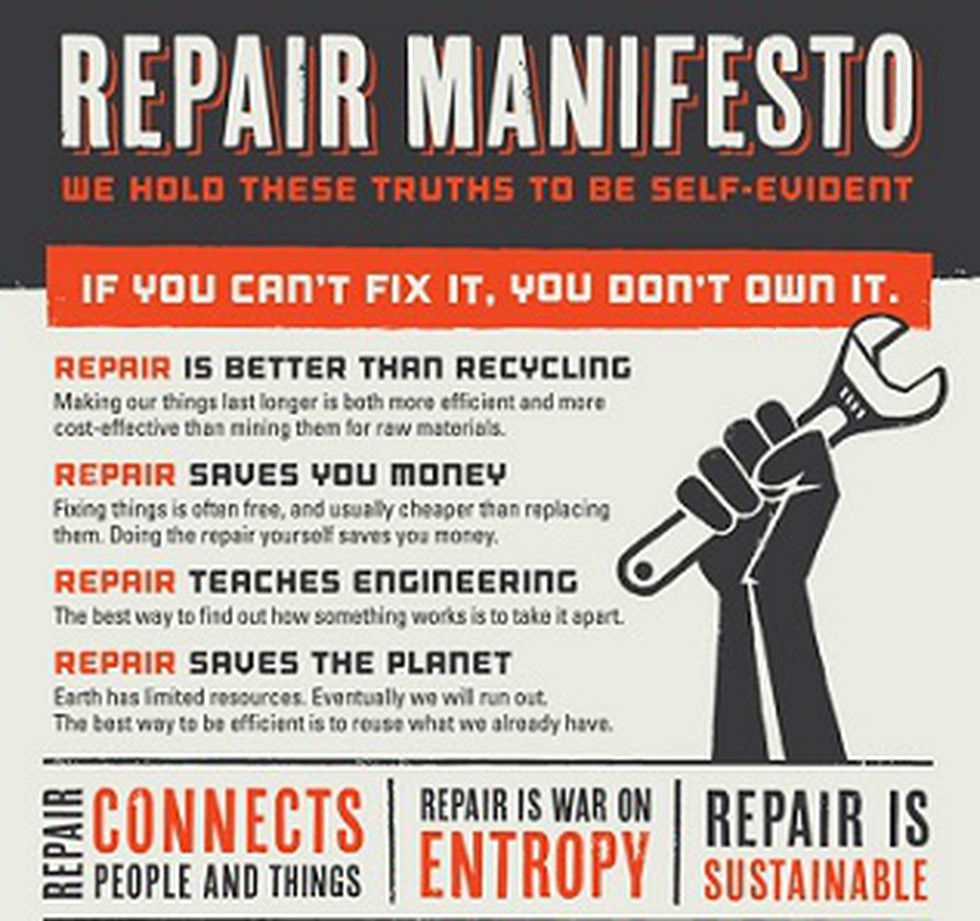
That's where the Right to Repair movement comes in. It's about empowering consumers with the tools, knowledge, and access to parts needed to repair their own electronics, including gaming consoles, PCs, and peripherals. It aims to challenge manufacturers' control over the repair process and promote a more sustainable and consumer-friendly approach to technology ownership.
This article explores the Right to Repair movement within the gaming industry, highlighting the importance of hardware preservation, consumer rights, and the potential benefits of empowering gamers to fix their own devices. We'll delve into the practical implications, discuss the challenges involved, and examine the steps being taken to push for Right to Repair legislation. Ultimately, we argue that the Right to Repair is not just about fixing broken consoles; it's about fostering a more sustainable and equitable relationship between consumers and the technology they love.
Hardware Preservation: Extending the Lifespan of Your Gaming Gear
I remember when my original Xbox 360 red-ringed. I was devastated. It wasn't just a console; it was a gateway to countless memories with friends, late-night gaming sessions, and a whole community. Sending it back to Microsoft felt impersonal, and the cost of repair seemed exorbitant. I ended up buying a new one, contributing to the growing mountain of e-waste. Looking back, I wish I had the option to try and fix it myself. The right to repair would have allowed me to source the necessary parts, consult online communities, and potentially salvage a beloved piece of gaming history. Hardware preservation is not just about saving money; it's about valuing the investment we make in our gaming experiences and extending the lifespan of the technology we cherish. It's about resisting the cycle of planned obsolescence and promoting a more sustainable approach to consumption. The availability of repair manuals, diagnostic tools, and affordable spare parts is crucial for empowering consumers to take control of their hardware and reduce electronic waste. This includes access to schematics, firmware updates, and software that can help diagnose and fix common issues. Furthermore, independent repair shops should have the same access to parts and information as authorized service providers, fostering a competitive and accessible repair market.
Consumer Rights: Taking Control of Your Technology
The Right to Repair isn't just about fixing things; it's fundamentally about consumer rights. It's about owning the technology we purchase and having the freedom to choose how we maintain and repair it. Currently, manufacturers often restrict access to repair information and parts, effectively forcing consumers to rely on their authorized service centers. This can lead to inflated repair costs, long wait times, and the potential for data privacy concerns. The Right to Repair seeks to level the playing field by ensuring that consumers have the right to access the tools, information, and parts they need to fix their own devices or choose an independent repair shop. This empowers consumers to make informed decisions about their technology and promotes a more competitive and transparent repair market. It also encourages manufacturers to design products that are more durable and easier to repair, reducing the overall environmental impact of the electronics industry. Ultimately, the Right to Repair is about shifting the power dynamic and giving consumers greater control over the technology they own.
History and Myths of Right to Repair
The fight for Right to Repair isn't new. It has roots in the automotive industry, where independent mechanics fought for the right to access diagnostic information and repair manuals. This movement eventually led to legislation that protected the rights of consumers to choose their own repair shops. The same principles apply to electronics. However, manufacturers often perpetuate myths to discourage Right to Repair efforts. One common myth is that allowing consumers to repair their own devices will lead to safety hazards. However, with proper training and readily available resources, consumers can safely and effectively repair their electronics. Another myth is that Right to Repair will stifle innovation. In reality, it can actually foster innovation by encouraging the development of new repair tools and techniques. Furthermore, independent repair shops can provide valuable feedback to manufacturers about product design flaws, leading to improvements in future models. The history of Right to Repair demonstrates that empowering consumers with the ability to fix their own devices benefits both consumers and the environment.
Hidden Secrets of Right to Repair
One of the often-overlooked aspects of the Right to Repair is its potential to unlock hidden value in older technology. Many gaming consoles and PCs are discarded simply because a single component fails, even though the rest of the system is perfectly functional. By having access to repair parts and information, consumers can extend the lifespan of these devices and keep them out of landfills. Furthermore, the Right to Repair can foster a culture of innovation and creativity, as individuals experiment with repairing and modifying their own devices. This can lead to the development of new repair techniques, software tools, and even open-source hardware designs. Another hidden secret is the potential for Right to Repair to create new jobs in the repair sector. Independent repair shops can provide valuable services to consumers who prefer not to repair their own devices, creating economic opportunities in local communities. The Right to Repair is not just about fixing broken devices; it's about unlocking the potential of technology and empowering individuals to take control of their digital lives.
Recommendations for Right to Repair
Supporting the Right to Repair movement requires a multi-faceted approach. First and foremost, it's crucial to support legislation that mandates manufacturers to provide access to repair information, parts, and tools. This includes contacting your elected officials and advocating for Right to Repair laws. Secondly, it's important to support independent repair shops and organizations that provide repair training and resources. These organizations play a vital role in empowering consumers to fix their own devices. Thirdly, we can demand greater transparency from manufacturers regarding product design and repairability. By choosing products that are designed to be easily repaired, we can send a message to manufacturers that we value sustainability and consumer rights. Furthermore, we can participate in online communities and forums dedicated to repair, sharing our knowledge and experiences with others. By working together, we can create a more sustainable and consumer-friendly electronics industry.
The Environmental Impact of Right to Repair
The environmental benefits of Right to Repair are significant. By extending the lifespan of electronic devices, we can reduce the amount of e-waste that ends up in landfills. E-waste contains hazardous materials that can leach into the soil and contaminate water sources. Furthermore, the manufacturing of new electronics requires significant amounts of energy and resources. By repairing our existing devices, we can reduce the demand for new products and conserve valuable resources. The Right to Repair also promotes a circular economy, where products are designed to be reused, repaired, and recycled, rather than discarded after a short lifespan. This approach reduces waste, conserves resources, and creates new economic opportunities in the repair and recycling sectors. By supporting the Right to Repair, we can contribute to a more sustainable and environmentally responsible future.
Tips of Right to Repair
If you're interested in getting started with repairing your own gaming hardware, there are several resources available. Online repair communities and forums can provide valuable information, advice, and support. Websites like i Fixit offer detailed repair guides and tutorials for a wide range of devices. Furthermore, there are numerous You Tube channels dedicated to electronics repair, where you can learn from experienced technicians. Before attempting any repair, it's important to research the specific device and issue you're facing. Make sure you have the necessary tools and replacement parts before you begin. Always disconnect the device from the power source before opening it up. And if you're unsure about any step of the repair process, don't hesitate to seek help from online communities or professional repair shops. With a little patience and perseverance, you can successfully repair your own gaming hardware and save money while reducing e-waste.
Legal Aspects of Right to Repair
The legal landscape surrounding Right to Repair is constantly evolving. Several states have introduced Right to Repair legislation, and the issue is gaining increasing attention at the federal level. Manufacturers often argue that Right to Repair legislation infringes on their intellectual property rights and trade secrets. However, proponents of Right to Repair argue that consumers have a right to access the information and parts needed to repair the products they own. Furthermore, they argue that Right to Repair promotes competition and innovation in the repair sector. The outcome of these legal battles will have a significant impact on the future of the electronics industry and the rights of consumers to repair their own devices. It's important to stay informed about the legal developments surrounding Right to Repair and to support legislation that protects consumer rights and promotes sustainability.
Fun Facts of Right to Repair
Did you know that some of the earliest computers were designed to be easily repaired? In the early days of computing, manufacturers often provided detailed schematics and repair manuals to their customers. This allowed users to maintain and repair their own systems, fostering a culture of innovation and collaboration. However, as technology advanced and business models shifted, manufacturers began to restrict access to repair information and parts, leading to the Right to Repair movement. Another fun fact is that some independent repair shops are using 3D printing to create replacement parts for older devices. This allows them to repair devices that would otherwise be considered obsolete, extending their lifespan and reducing e-waste. The Right to Repair is not just about fixing broken devices; it's about preserving technological history and empowering individuals to take control of their technology.
How to Right to Repair
The practical steps involved in exercising your Right to Repair will vary depending on the device and the specific issue you're facing. However, there are some general guidelines that can help. First, research the problem and identify the necessary replacement parts. Online repair communities and forums can be valuable resources for finding information and advice. Second, acquire the necessary tools for the repair. These may include screwdrivers, soldering irons, and other specialized tools. Third, consult repair guides and tutorials to understand the repair process. Websites like i Fixit offer detailed step-by-step instructions for a wide range of devices. Fourth, carefully disassemble the device and replace the faulty component. Take your time and pay attention to detail. Fifth, reassemble the device and test it to ensure that the repair was successful. If you encounter any difficulties, don't hesitate to seek help from online communities or professional repair shops. With a little patience and perseverance, you can successfully repair your own gaming hardware and save money while reducing e-waste.
What if Right to Repair
Imagine a world where the Right to Repair is fully implemented. Manufacturers would be required to provide access to repair information, parts, and tools, empowering consumers to fix their own devices. Independent repair shops would thrive, creating new economic opportunities in local communities. The amount of e-waste ending up in landfills would be significantly reduced, conserving valuable resources and protecting the environment. Products would be designed to be more durable and easier to repair, reducing the overall cost of ownership. Innovation would be fostered, as individuals experiment with repairing and modifying their own devices. This is the vision of the Right to Repair movement, a vision of a more sustainable and equitable future for the electronics industry. By supporting the Right to Repair, we can help make this vision a reality.
Listicle of Right to Repair
Here's a list of key benefits of the Right to Repair: 1. Reduces e-waste and promotes sustainability.
2. Empowers consumers to take control of their technology.
3. Fosters innovation and creativity.
4. Creates new economic opportunities in the repair sector.
5. Lowers the cost of ownership for electronic devices.
6. Protects consumer rights and promotes transparency.
7. Encourages manufacturers to design more durable and repairable products.
8. Preserves technological history by extending the lifespan of older devices.
9. Fosters a culture of collaboration and knowledge sharing.
10. Contributes to a more sustainable and environmentally responsible future.
Question and Answer
Q: What is the Right to Repair?
A: The Right to Repair is the principle that consumers should have the right to access the tools, information, and parts needed to repair their own electronic devices or choose an independent repair shop.
Q: Why is Right to Repair important?
A: It reduces e-waste, empowers consumers, fosters innovation, creates economic opportunities, and promotes sustainability.
Q: What can I do to support the Right to Repair?
A: Contact your elected officials, support independent repair shops, demand greater transparency from manufacturers, and participate in online repair communities.
Q: What are some common arguments against Right to Repair?
A: Manufacturers often argue that it infringes on their intellectual property rights and trade secrets, and that it could lead to safety hazards. However, these arguments are often unfounded and can be addressed through appropriate regulations and training.
Conclusion of Right to Repair Gaming: Hardware Preservation and Consumer Rights
The Right to Repair is more than just a trend; it's a fundamental shift in how we think about technology ownership and sustainability. By empowering consumers to fix their own gaming hardware, we can reduce e-waste, foster innovation, and create a more equitable relationship between consumers and the companies that create the technology we love. It's time to embrace the Right to Repair and build a more sustainable future for gaming and beyond.
Post a Comment