Gaming Cancellation Rights: Service Termination Protection
Have you ever felt powerless when a gaming service you paid for suddenly shut down, leaving you with nothing to show for your investment? It's a frustrating scenario, and one that many gamers have experienced.
The abrupt closure of online games and services can leave players feeling cheated and uncertain about their rights. Gamers sink countless hours and hard-earned money into these virtual worlds, only to have the rug pulled out from under them without warning or adequate compensation.
Gaming Cancellation Rights: Service Termination Protection aims to safeguard gamers' investments and time by providing a framework for fair compensation or service continuation when gaming companies terminate their services. It provides an approach to ensure fair treatment and some form of restitution when online games or services are discontinued.
In essence, understanding your cancellation rights as a gamer is crucial. This post explores the concept of service termination protection, what it entails, and how it might impact your gaming experiences, focusing on player protection, fair compensation, and the legal landscape surrounding online gaming services. Ultimately, it's about ensuring fairness and transparency in the gaming world.
Personal Experiences with Gaming Cancellation
I remember the sting of disappointment when one of my favorite MMORPGs announced its impending shutdown. I had poured hundreds of hours into the game, built friendships within the community, and invested in virtual items that suddenly became worthless. It felt like a betrayal, a punch to the gut that left me questioning whether I could trust investing in online games again. At the time, there was little recourse. The company offered a pittance of in-game currency for their other titles, a meager consolation prize for the loss of a world I had called home. I wasn't alone in feeling this way; the forums were flooded with anger and frustration from fellow players who felt similarly abandoned. This experience highlighted the vulnerability of gamers and the need for better protection against service terminations. It underscores the importance of understanding what rights you, as a player, may or may not have when a game you enjoy is suddenly shut down. Understanding the End User License Agreement (EULA) is a start, but often these agreements are heavily skewed in favor of the gaming companies, leaving individual players with little power. Exploring options for class-action lawsuits or advocating for consumer protection laws specific to online gaming are vital steps in ensuring fairness for gamers.
Understanding Service Termination Protection
Service termination protection, in the context of gaming, refers to the rights and safeguards afforded to players when a gaming service or online game is discontinued. This can encompass various forms of compensation, such as refunds for unused subscriptions, the transfer of virtual assets to other games, or the provision of alternative services. This protection aims to mitigate the financial and emotional losses that players can experience when a game they have invested in is suddenly shut down. The specifics of this protection can vary widely depending on the jurisdiction, the terms of service of the game, and the applicable consumer protection laws. Some jurisdictions may have regulations that require companies to provide refunds or other forms of compensation when they terminate a service. However, in many cases, the terms of service heavily favor the gaming company, leaving players with limited legal recourse. That is why it's essential to advocate for greater transparency and fairness in the gaming industry. This could involve lobbying for stronger consumer protection laws that specifically address the unique challenges of online gaming, such as the ownership of virtual assets and the rights of players when a service is terminated. It also means educating players about their rights and empowering them to take collective action against companies that engage in unfair practices.
The History and Myth of Cancellation Rights
The history of cancellation rights in gaming is relatively recent, evolving alongside the rise of online gaming and digital distribution. In the early days of online gaming, service terminations were often treated as an unavoidable risk, with players having little to no recourse when a game shut down. The rise of digital distribution platforms like Steam and online subscription models has made things more complicated. Early myths surrounding cancellation rights often stemmed from the assumption that because players didn't "own" the software or virtual items, they had no rights whatsoever. However, as the gaming industry matured and the amount of money invested by players increased, so did the pressure for greater consumer protection. Landmark legal cases, such as those involving virtual property disputes in games like Second Life, helped to establish the principle that virtual assets could have real-world value and that players were entitled to some level of protection. The ongoing evolution of gaming and digital content ownership means that consumer rights and the gaming world will keep changing as technology advances. There is still no "silver bullet" solution to protecting gamers' investments. What will be interesting is seeing how the new gaming technologies affect service termination and consumer rights.
Hidden Secrets of Service Termination Protection
One of the biggest "secrets" of service termination protection is that it's often hidden within the lengthy and complex terms of service agreements that most players never bother to read. These agreements can contain clauses that limit the company's liability in the event of a service termination or grant them broad discretion to shut down a game without providing any compensation. Another "secret" is the power of collective action. While individual players may have limited leverage, organized groups of players can exert significant pressure on gaming companies through petitions, social media campaigns, and even legal action. Furthermore, gaming companies are often more willing to negotiate with large groups of players than with individual complainants. Beyond this, many players are unaware of the consumer protection laws that may apply to their situation. Depending on their jurisdiction, players may have rights under laws relating to unfair business practices, false advertising, or breach of contract. It's important for players to research their local laws and to seek legal advice if they believe their rights have been violated. As gaming evolves, so must our understanding of service termination protections and the legal avenues available. This also brings up the hidden advantage of finding allies in consumer protection groups and legal professionals.
Recommendations for Navigating Cancellation
When faced with a game service termination, there are several steps you can take to protect your interests. Firstly, carefully review the terms of service agreement to understand your rights and the company's obligations. Look for clauses relating to service terminations, refunds, and the transfer of virtual assets. Secondly, document everything. Keep records of your purchases, in-game activity, and any communication you have had with the gaming company. This documentation can be valuable if you decide to pursue legal action or file a complaint with a consumer protection agency. Thirdly, consider joining with other players who have been affected by the service termination. Collective action can be a powerful tool for negotiating with the gaming company and raising awareness of the issue. In addition to these steps, it's important to be proactive. Before investing time and money into a game, research the company's track record and reputation. Look for reviews and feedback from other players, and be wary of companies that have a history of shutting down games without providing adequate compensation. Finally, consider supporting advocacy groups and organizations that are working to improve consumer protection in the gaming industry. By working together, we can create a fairer and more transparent environment for gamers.
Understanding EULAs and Terms of Service
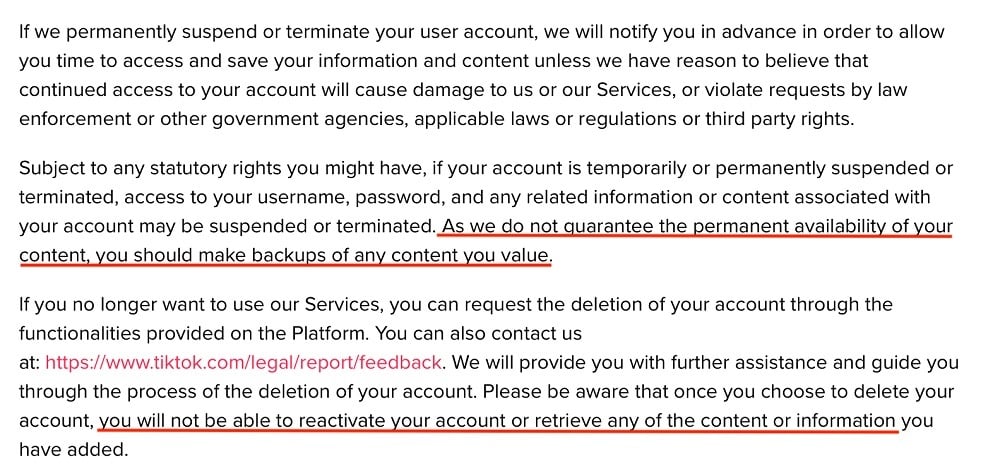
Delving deeper into End User License Agreements (EULAs) and Terms of Service (To S) is essential for any gamer concerned about their rights. These legal documents, often presented as a necessary step before playing a game, are contracts that define the relationship between the player and the gaming company. EULAs typically cover software usage, intellectual property, and limitations of liability. They outline what you are allowed to do with the game software and what the company can do if you violate the agreement. For instance, EULAs often prohibit reverse engineering, distributing unauthorized copies of the game, or using cheat software. Terms of Service, on the other hand, focus on the online services provided by the game, such as multiplayer features, virtual item marketplaces, and community forums. They usually address issues like account security, acceptable conduct, and the company's right to terminate your access to the services. Many EULAs and To S contain clauses that limit the company's liability for any damages or losses you may incur while playing the game, including those resulting from service terminations. These clauses often state that the game is provided "as is" and that the company is not responsible for any interruptions, errors, or other problems that may arise. Furthermore, most agreements include an arbitration clause, which requires you to resolve any disputes through binding arbitration rather than through the court system. This can significantly limit your ability to pursue legal action against the company.
Tips for Protecting Your Gaming Investments
Protecting your gaming investments is about more than just understanding your legal rights; it's also about making smart choices and taking proactive steps to mitigate risks. One of the best ways to protect your investment is to diversify your gaming portfolio. Avoid putting all your eggs in one basket by playing a variety of games from different developers and genres. This way, if one game shuts down, you still have other options to fall back on. Another tip is to be cautious about investing heavily in virtual items or in-game currency, especially in games from less reputable developers. Remember that these items are typically tied to the game itself and will become worthless if the game shuts down. Before making any significant purchases, research the developer's track record and reputation. Look for reviews and feedback from other players, and be wary of companies that have a history of shutting down games without providing adequate compensation. It's also a good idea to back up your game data whenever possible. While you may not be able to recover virtual items or in-game currency, backing up your progress can save you time and effort if you ever need to reinstall the game or switch to a new device. Finally, consider using a virtual private network (VPN) when playing online games. A VPN can help protect your privacy and security by encrypting your internet traffic and masking your IP address. This can make it more difficult for hackers and other malicious actors to target you.
Understanding the Role of Consumer Protection Agencies
Consumer protection agencies play a crucial role in safeguarding the rights of gamers and ensuring fair business practices within the gaming industry. These agencies, which exist at both the state and federal levels, are responsible for investigating complaints, enforcing consumer protection laws, and educating the public about their rights. When a gaming company engages in unfair or deceptive practices, such as false advertising, unfair billing practices, or failure to honor refund policies, consumers can file a complaint with their local consumer protection agency. The agency will then investigate the complaint and take appropriate action, which may include issuing fines, ordering the company to cease its unlawful practices, or seeking restitution for affected consumers. In addition to investigating individual complaints, consumer protection agencies also play a broader role in monitoring the gaming industry and identifying trends and patterns of consumer abuse. They may conduct investigations into specific companies or practices and issue reports and recommendations to policymakers and the public. Consumer protection agencies also work to educate consumers about their rights and how to protect themselves from scams and fraud. They may publish guides, host workshops, or partner with community organizations to reach a wider audience. Furthermore, consumer protection agencies can serve as a valuable resource for gamers who are seeking information about their rights or who need assistance resolving a dispute with a gaming company. They can provide advice, connect consumers with legal resources, and help them navigate the complaint process.
Fun Facts About Gaming Cancellation Rights
Did you know that the concept of "virtual property" is still a legal gray area in many jurisdictions? While some courts have recognized the value of virtual assets and granted players certain rights, others have maintained that virtual items are simply a license to use the game's software and have no real-world value. Another fun fact is that the gaming industry is largely self-regulated. While there are consumer protection laws that apply to gaming companies, there is no specific regulatory body that oversees the industry and enforces ethical standards. This lack of regulation has led to concerns about predatory practices, such as loot boxes and pay-to-win mechanics, and has prompted calls for greater government oversight. It's also interesting to note that the first-ever lawsuit involving virtual property was filed in 2001, when a player in the online game Ultima Online accused another player of stealing his virtual sword. The case, which was ultimately settled out of court, helped to raise awareness of the legal issues surrounding virtual property and paved the way for future litigation. Furthermore, many gamers are surprised to learn that they can often get a refund for a game even if they've already played it, provided that they meet certain conditions. For example, Steam offers a refund policy that allows players to return a game within 14 days of purchase, as long as they have played it for less than two hours. However, it’s worth noting that each platform or storefront has its own specific policies and guidelines.
How to Exercise Your Cancellation Rights
Exercising your cancellation rights as a gamer can sometimes feel like navigating a labyrinth, but it's a process that becomes easier with knowledge and preparation. The first step is always to carefully review the terms of service agreement for the game or service in question. Look for clauses that address service terminations, refunds, and the transfer of virtual assets. Understanding your rights and the company's obligations is crucial before taking any further action. Once you have a clear understanding of your rights, the next step is to contact the gaming company directly. Explain your situation clearly and politely, and request a refund or other form of compensation. Be sure to document all communication with the company, including emails, chat logs, and phone calls. If the gaming company is unresponsive or unwilling to resolve the issue, the next step is to file a complaint with a consumer protection agency. Provide them with all the documentation you have gathered, including the terms of service agreement, your purchase receipts, and your communication with the company. Consumer protection agencies have the power to investigate complaints and take action against companies that engage in unfair or deceptive practices. In addition to filing a complaint, you may also want to consider joining with other players who have been affected by the service termination. Collective action can be a powerful tool for negotiating with the gaming company and raising awareness of the issue. Finally, if all else fails, you may want to consider pursuing legal action. This should be a last resort, as legal action can be costly and time-consuming. However, if you believe your rights have been violated and you have suffered significant financial losses, it may be worth exploring this option. Consult with an attorney who specializes in consumer protection law to discuss your options.
What If Gaming Cancellation Rights Weren't Protected?
Imagine a world where gaming cancellation rights were completely unprotected. In such a scenario, gamers would be entirely at the mercy of gaming companies, with no legal recourse or protection against unfair service terminations. Companies could shut down games at any time, without providing any refunds or compensation to players, regardless of how much time and money they had invested. This would create a climate of fear and uncertainty, discouraging players from investing in online games and potentially stifling innovation in the industry. Without protection for gaming cancellation rights, predatory practices would likely become rampant. Companies could exploit players by creating games with short lifespans, designed to generate quick profits before being shut down. Virtual items and in-game currency would become even more risky investments, as players would have no guarantee that they would be able to use them for any length of time. Furthermore, the lack of protection would likely lead to a decline in the quality of customer service. Companies would have little incentive to respond to player complaints or provide support, as they would know that players have no other options. The gaming community would likely become more fragmented and distrustful, as players would be wary of investing in games and forming relationships with other players. Ultimately, the absence of gaming cancellation rights would create a hostile and exploitative environment that would harm both players and the industry as a whole. It is therefore essential to advocate for strong consumer protection laws and to ensure that gamers have the rights and protections they need to participate in the gaming community with confidence.
Listicle of Gaming Cancellation Rights
Here's a listicle of things to remember about Gaming Cancellation Rights: 1. Understand Your Rights: Familiarize yourself with the terms of service agreements for the games you play, paying close attention to clauses regarding service terminations, refunds, and virtual assets.
2. Document Everything: Keep records of your purchases, in-game activity, and communications with gaming companies.
3. Contact the Company: If you experience a service termination, contact the gaming company directly and request a refund or other form of compensation.
4. File a Complaint: If the company is unresponsive, file a complaint with a consumer protection agency.
5. Join Forces: Consider joining with other players who have been affected by the service termination to take collective action.
6. Seek Legal Advice: If all else fails, consult with an attorney who specializes in consumer protection law.
7. Be Proactive: Research gaming companies before investing time and money in their games.
8. Support Advocacy Groups: Support organizations that are working to improve consumer protection in the gaming industry.
9. Diversify Your Portfolio: Play a variety of games from different developers to mitigate risk.
10. Back Up Your Data: Back up your game data whenever possible to protect your progress. By following these tips, you can protect your gaming investments and ensure that you are treated fairly by gaming companies. Knowing your rights is essential to ensure you have a better gaming experience overall. Stay informed, stay proactive, and advocate for a fairer gaming environment for everyone.
Question and Answer
Q: What is the most important thing to look for in a game's terms of service agreement?
A: Pay close attention to the clauses that address service terminations, refunds, and the transfer of virtual assets.
Q: What should I do if a gaming company shuts down a game without providing any compensation?
A: Contact the company directly and request a refund or other form of compensation. If they are unresponsive, file a complaint with a consumer protection agency.
Q: Is there any way to protect my investment in virtual items?
A: Be cautious about investing heavily in virtual items, especially in games from less reputable developers. Diversify your gaming portfolio and avoid putting all your eggs in one basket.
Q: What is the role of consumer protection agencies in the gaming industry?
A: Consumer protection agencies investigate complaints, enforce consumer protection laws, and educate the public about their rights.
Conclusion of Gaming Cancellation Rights: Service Termination Protection
Ultimately, understanding and exercising your gaming cancellation rights is essential for protecting your investments and ensuring a fair and transparent gaming environment. By familiarizing yourself with the terms of service agreements, documenting your purchases and in-game activity, and taking collective action when necessary, you can empower yourself to advocate for your rights and hold gaming companies accountable. As the gaming industry continues to evolve, it is crucial to stay informed and engaged in the ongoing conversation about consumer protection and the rights of gamers. By working together, we can create a gaming ecosystem that is both innovative and equitable, where players are treated with respect and their investments are protected.
Post a Comment