Serious Game Preservation: Archiving Non-Entertainment Gaming
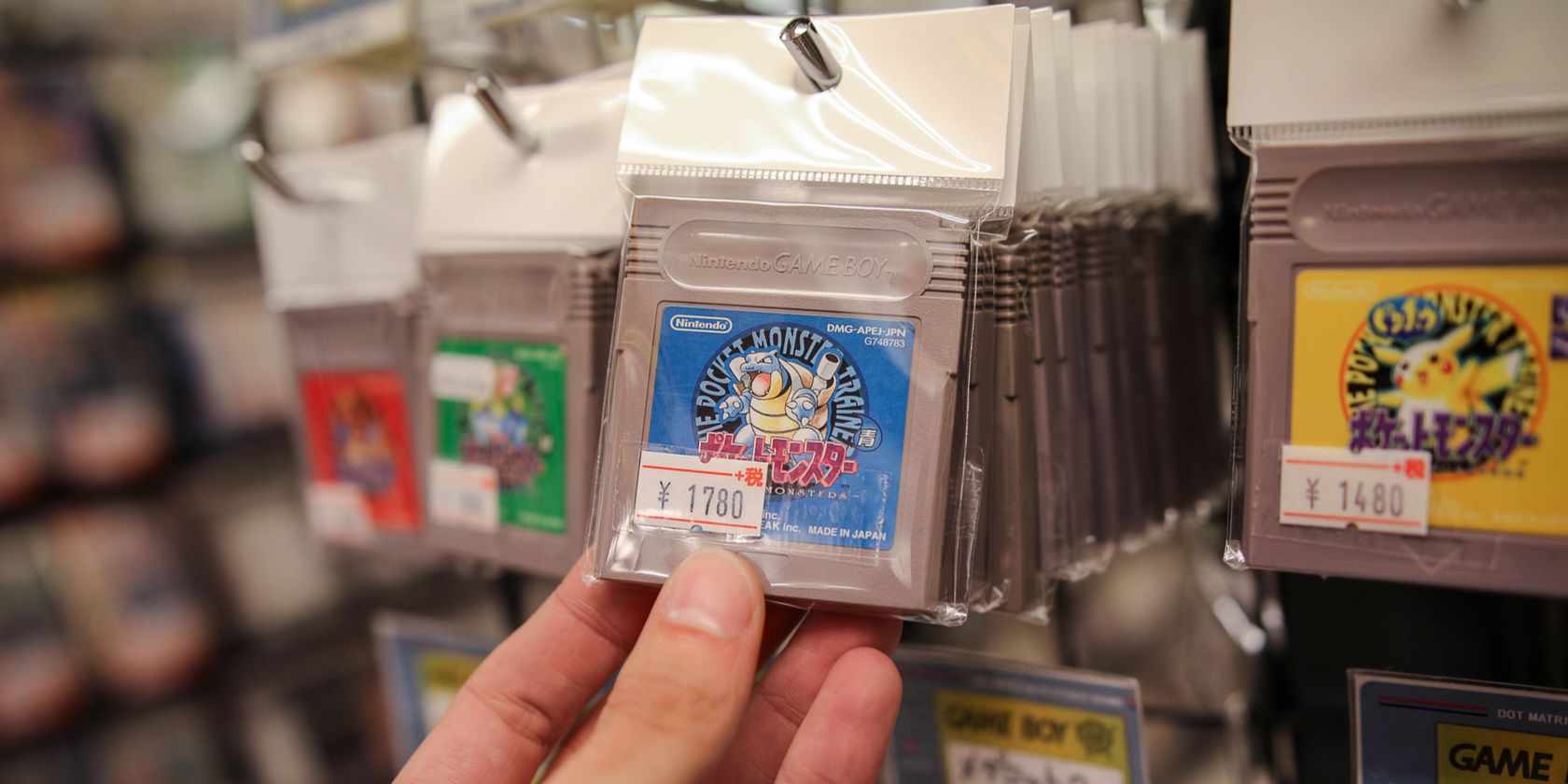
Imagine a world where vital training simulations, educational tools, and simulations designed for research simply vanish. No longer accessible. Lost to time. This isn't some dystopian fantasy; it's a very real possibility facing serious games – those designed for purposes beyond pure entertainment.
The challenges surrounding the preservation of serious games are considerable. Unlike their entertainment-focused counterparts, serious games often lack commercial backing, dedicated fan communities, and readily available documentation. They might run on outdated, proprietary software or require specific hardware that's no longer manufactured. The knowledge of how these games function and their intended purpose often resides only within the original development teams, who may have since moved on. All of this can add up to making their archival and continued accessibility incredibly difficult.
The target of serious game preservation is to ensure that these valuable resources remain available for future generations. This includes educators, researchers, trainers, and anyone who could benefit from the unique insights and experiences offered by these interactive simulations. It's about safeguarding knowledge, preserving cultural heritage, and enabling continued innovation.
This article delves into the crucial topic of serious game preservation, exploring the unique challenges involved in archiving non-entertainment gaming. We'll examine the importance of preserving these valuable resources, uncover the difficulties in their archival, and explore potential solutions for ensuring their long-term accessibility. Keywords include: serious games, game preservation, archiving, non-entertainment gaming, cultural heritage, digital preservation, software emulation, and game studies.
Why Preserve Serious Games?
My first encounter with the urgency of game preservation came during a research project focused on the use of simulations in medical training. I stumbled upon a fascinating virtual surgery simulator developed in the early 2000s, designed to teach intricate procedures to aspiring surgeons. The problem? The simulator ran on a legacy operating system, requiring specialized hardware that was increasingly difficult to source. It was a race against time to extract the knowledge embedded within that game before it became completely inaccessible.
Serious games often contain information and training methodologies that are simply unavailable anywhere else. Consider a simulation used to train first responders in disaster scenarios. The game might incorporate real-world data and expert knowledge, allowing trainees to experience complex situations in a safe and controlled environment. Preserving such a game ensures that future generations can benefit from the lessons learned and the expertise captured within its code and design. The cultural value is equally critical; these games can provide insights into how specific industries or sectors approached training, education, or research at a particular point in time. Losing them is akin to losing a piece of our collective knowledge.
Effective preservation strategies involve a multi-faceted approach, including emulation, migration, and documentation. Emulation allows us to run outdated software on modern systems, while migration involves porting the game's code to a newer platform. Documentation is crucial for understanding the game's purpose, functionality, and intended audience. By combining these techniques, we can increase the chances of preserving serious games for years to come.
What are Serious Games?
Serious games are games designed for a primary purpose other than pure entertainment. This encompasses a wide range of applications, including education, training, healthcare, research, and advocacy. Examples include flight simulators used to train pilots, educational games that teach children math or science, and simulations used to model complex systems in research settings. The key differentiator is the intentional design for a specific non-entertainment goal.
The field of serious games has grown significantly in recent years, driven by advancements in technology and a growing recognition of the effectiveness of game-based learning. These games offer unique advantages over traditional methods, such as increased engagement, personalized learning experiences, and the ability to practice skills in a safe and controlled environment. However, this rapid growth also presents a challenge for preservation. As new technologies emerge and older platforms become obsolete, it's crucial to develop strategies for archiving these valuable resources.
Understanding the specific purpose and context of a serious game is essential for effective preservation. A game designed for medical training, for example, might require specialized hardware or software to accurately simulate realistic scenarios. Preserving the game without this context would render it largely unusable. Therefore, documentation and metadata are crucial components of the preservation process. This includes information about the game's target audience, learning objectives, hardware and software requirements, and any relevant background information.
The History and Myth of Serious Game Preservation
The history of serious game preservation is relatively recent, mirroring the rise of digital games themselves. While entertainment game preservation has garnered more attention, the unique challenges of preserving serious games are only now beginning to be fully recognized. Early attempts at preserving these games were often ad-hoc, relying on individual efforts or the goodwill of developers and institutions. There wasn't, and arguably still isn't, a standardized or widely adopted methodology.
One common myth is that serious games are inherently less valuable than entertainment games and therefore not worth preserving. This is a dangerous misconception. Serious games often contain unique data, expert knowledge, and training methodologies that are simply unavailable elsewhere. They provide insights into how specific industries or sectors approached training, education, or research at a particular point in time. Ignoring their preservation would be a significant loss of cultural and intellectual heritage.
The emergence of digital preservation initiatives and game studies programs has started to shift this perspective. Organizations like the Internet Archive and the Strong National Museum of Play are actively working to preserve digital games, including those with serious applications. Furthermore, researchers in game studies are beginning to explore the unique preservation challenges posed by serious games and to develop strategies for addressing them. The increased awareness and focus are vital steps in ensuring that these valuable resources are not lost to time.
Hidden Secrets of Serious Game Preservation
One of the hidden secrets of serious game preservation lies in the importance of community collaboration. Unlike commercial games, which often have large fan communities dedicated to preserving and modding them, serious games typically lack this organic support. Therefore, it's crucial to foster collaboration between developers, educators, researchers, archivists, and game studies scholars.
Another often overlooked aspect is the importance of capturing the tacit knowledge associated with serious games. This includes the developers' understanding of the game's design and functionality, the educators' insights into how the game was used in the classroom, and the researchers' interpretations of the data generated by the game. This tacit knowledge is often lost when individuals move on to other projects or institutions. Documenting this knowledge through interviews, surveys, and oral histories is crucial for preserving the full context of a serious game.
Finally, a key secret is the recognition that preservation is not a one-time event but an ongoing process. As technology continues to evolve, preservation strategies must adapt to ensure that games remain accessible and usable. This requires continuous monitoring of technological changes, regular testing of preservation methods, and ongoing collaboration between stakeholders. By embracing a proactive and collaborative approach, we can increase the chances of preserving serious games for future generations.
Recommendations for Serious Game Preservation
My top recommendation for serious game preservation is to prioritize documentation. This includes not just the game's code and assets but also detailed information about its purpose, target audience, hardware and software requirements, and any relevant background information. The more context you can capture, the better chance you have of understanding and preserving the game in the long run.
Another crucial recommendation is to embrace emulation and virtualization technologies. These tools allow you to run outdated software on modern systems, effectively recreating the original environment in which the game was designed to be played. This is particularly important for games that rely on specific hardware or operating systems that are no longer supported. Experiment with different emulation platforms and find the one that works best for your needs.
Finally, advocate for the importance of serious game preservation within your institution or organization. Educate your colleagues about the unique value of these resources and the risks of losing them. Encourage the development of policies and procedures for preserving serious games and allocate resources to support these efforts. By raising awareness and building support, you can help ensure that serious games are not overlooked in the broader digital preservation landscape.
The Role of Metadata in Serious Game Preservation
Metadata, often described as "data about data," plays a pivotal role in serious game preservation. It provides the necessary context to understand, access, and utilize a game long after its original creation. Without robust metadata, a preserved game might become a digital artifact devoid of meaning and purpose.
Effective metadata for serious games should include a range of information, such as the game's title, developer, creation date, target audience, learning objectives, hardware and software requirements, and any relevant background information. It should also capture the game's intended use case, the context in which it was deployed, and any evaluations or assessments conducted using the game. This detailed metadata helps ensure that future users can understand the game's purpose and how to use it effectively.
Creating comprehensive metadata can be a time-consuming process, but it's a worthwhile investment. Consider developing a standardized metadata schema specifically for serious games, drawing on existing metadata standards for digital resources and adapting them to the unique characteristics of games. Encourage collaboration between developers, educators, and archivists in the creation of metadata to ensure that it is accurate, complete, and useful. By prioritizing metadata, we can significantly enhance the long-term accessibility and value of serious games.
Practical Tips for Serious Game Preservation
One practical tip for serious game preservation is to start early. Don't wait until a game is already obsolete or its original developers have moved on to other projects. Begin thinking about preservation strategies from the very beginning of the game's lifecycle. This might involve documenting the game's design and development process, creating backups of its source code and assets, and exploring potential emulation or migration options.
Another helpful tip is to prioritize the preservation of the game's source code. The source code is the blueprint for the game, containing all the instructions and logic that make it work. Having access to the source code allows you to understand how the game functions, modify it if necessary, and potentially port it to a new platform. Store the source code in a secure and accessible location, using version control systems to track changes and ensure its integrity.
Finally, don't be afraid to seek help from experts in digital preservation and game studies. There are many resources available to assist you with preserving serious games, including online communities, professional organizations, and academic researchers. Reach out to these experts, ask for advice, and learn from their experiences. By collaborating with others, you can increase the chances of successfully preserving serious games for future generations.
Emulation vs. Migration: Choosing the Right Approach
When it comes to preserving serious games, two primary approaches are emulation and migration. Emulation involves creating a software environment that mimics the original hardware and software on which the game was designed to run. Migration, on the other hand, involves porting the game's code and assets to a new platform or technology.
Emulation is often the preferred approach for preserving older games that rely on specific hardware or operating systems that are no longer supported. It allows you to run the game in its original form, preserving its look and feel. However, emulation can be technically challenging, requiring a deep understanding of the original hardware and software. It can also be resource-intensive, requiring powerful computers to run the emulation software.
Migration is a more forward-looking approach, allowing you to adapt the game to new technologies and platforms. This can make the game more accessible to a wider audience and ensure its long-term viability. However, migration can also be time-consuming and costly, requiring significant development effort. It also carries the risk of altering the game's original design and functionality. The choice between emulation and migration depends on the specific characteristics of the game and your preservation goals. Consider the trade-offs between preserving the game's original form and ensuring its long-term accessibility.
Fun Facts About Serious Game Preservation
Did you know that some serious games have been used for military training for decades? Flight simulators, for example, have been used to train pilots since World War II. These early simulators were often mechanical devices, but they paved the way for the sophisticated digital simulations used today. Preserving these historical simulators provides insights into the evolution of training technologies.
Another fun fact is that some serious games have been credited with saving lives. Medical simulations, for example, have been shown to improve surgeons' skills and reduce the risk of complications during surgery. Preserving these simulations ensures that future generations of surgeons can benefit from the same training and expertise. Games are now being developed to help diagnose mental health ailments.
Finally, it's interesting to note that some serious games have been repurposed for entertainment. A flight simulator originally designed for training pilots might be adapted into a commercial video game. Preserving the original serious game allows us to understand the relationship between training and entertainment and to appreciate the versatility of game technologies.
How To Preserve Serious Games
Preserving serious games involves a combination of technical skills, archival practices, and collaboration. Start by thoroughly documenting the game's design, development, and intended use. Gather as much information as possible about the game's purpose, target audience, hardware and software requirements, and any relevant background information. This documentation will be invaluable in understanding and preserving the game in the long run.
Next, create backups of the game's source code, assets, and any associated data. Store these backups in a secure and accessible location, using version control systems to track changes and ensure their integrity. Consider using cloud storage services for offsite backups, providing an extra layer of protection against data loss. It's crucial to follow the 3-2-1 backup rule: keep at least three copies of your data, store the copies on two different storage media, and keep one backup offsite.
Finally, explore emulation and migration options for preserving the game's functionality. Experiment with different emulation platforms to see if you can recreate the original environment in which the game was designed to run. If emulation is not feasible, consider migrating the game to a new platform or technology. Regardless of the approach you choose, be sure to test your preservation methods regularly to ensure that the game remains accessible and usable. Preservation is not a one-time event, but an ongoing process.
What if We Don't Preserve Serious Games?
If we fail to preserve serious games, we risk losing a wealth of valuable knowledge, training methodologies, and cultural heritage. These games often contain unique data, expert knowledge, and insights into how specific industries or sectors approached training, education, or research at a particular point in time. Losing them would be a significant setback for future generations.
Imagine a world where critical training simulations for healthcare professionals or first responders are no longer accessible. This could lead to a decline in skills and preparedness, potentially jeopardizing lives. Or consider the loss of educational games that teach children valuable concepts in a fun and engaging way. This could negatively impact learning outcomes and limit access to educational resources.
Furthermore, failing to preserve serious games would represent a missed opportunity to learn from the past and to inform future innovations. By studying these games, we can gain insights into what works and what doesn't, refine our training methodologies, and develop more effective and engaging learning experiences. Serious game preservation is not just about preserving the past; it's about investing in the future.
Top 5 Reasons to Care About Serious Game Preservation: A Listicle
1. Preserving Valuable Knowledge: Serious games often contain unique data, expert knowledge, and training methodologies that are unavailable elsewhere.
2. Safeguarding Cultural Heritage: These games provide insights into how specific industries or sectors approached training, education, or research at a particular point in time.
3. Ensuring Future Access: Preservation allows future generations of educators, researchers, and trainers to benefit from these valuable resources.
4. Promoting Innovation: Studying preserved games can inform the development of new and improved training and learning experiences.
5. Avoiding Redundancy: Preserving existing games can prevent the unnecessary duplication of effort in creating new simulations.
Question and Answer Section About Serious Game Preservation: Archiving Non-Entertainment Gaming
Question 1: What is the biggest challenge in preserving serious games?
Answer: The biggest challenge is the lack of standardization and dedicated funding compared to entertainment game preservation. Serious games often have unique hardware and software requirements, making them difficult to emulate or migrate.
Question 2: What types of serious games are most at risk of being lost?
Answer: Games developed on proprietary or outdated platforms are at the highest risk. Also, games created by smaller organizations or individuals with limited resources are more vulnerable due to lack of preservation planning.
Question 3: How can individuals contribute to serious game preservation?
Answer: Individuals can contribute by documenting and sharing information about serious games they encounter, contacting developers or organizations involved in their creation, and supporting digital preservation initiatives.
Question 4: What role does the legal framework play in serious game preservation?
Answer: Copyright laws can complicate preservation efforts, particularly when accessing and distributing game code or assets. Obtaining permissions from copyright holders is essential, and advocating for exceptions to copyright laws for preservation purposes is also important.
Conclusion of Serious Game Preservation: Archiving Non-Entertainment Gaming
Preserving serious games is crucial for safeguarding knowledge, promoting innovation, and ensuring future access to valuable resources. By understanding the unique challenges involved in archiving non-entertainment gaming and by embracing proactive preservation strategies, we can help ensure that these important resources are not lost to time.
Post a Comment