Rare Game Preservation: Conserving Limited Gaming Releases
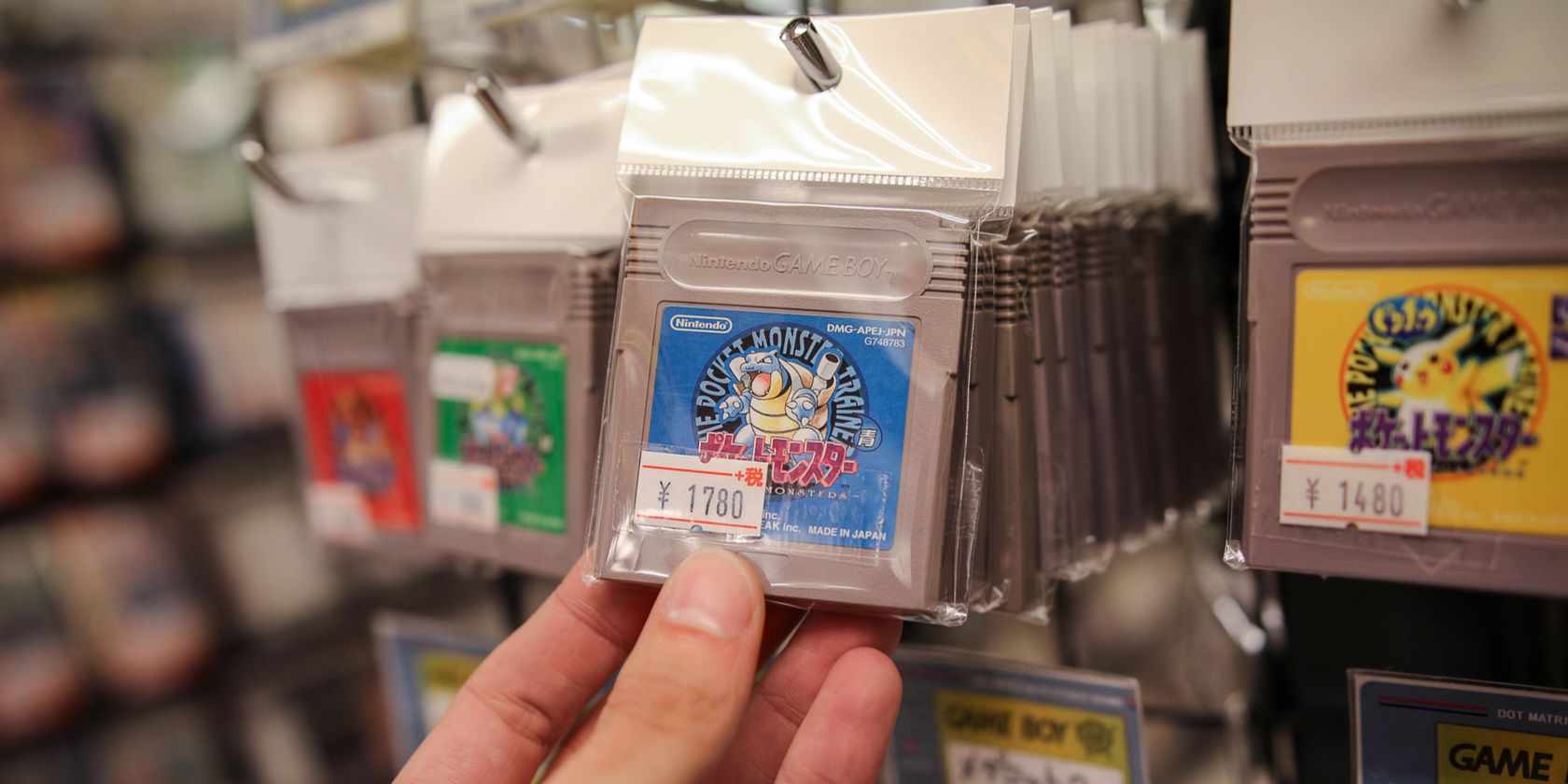
Imagine a world where your favorite video game, the one that sparked countless hours of joy and unforgettable memories, simply vanishes. Erased from existence, unplayable, a ghost of entertainment past. This isn't some dystopian nightmare, but a very real threat looming over the gaming landscape.
The fleeting nature of digital media and the growing trend of limited release games create a significant hurdle for ensuring these experiences remain accessible. Licenses expire, servers shut down, and physical copies become increasingly scarce and expensive. All these obstacles can lead to games becoming unplayable, effectively lost to time. The consequences reach beyond individual gamers, affecting gaming culture, academic research, and even the potential for future game development that could draw inspiration from these endangered titles.
Rare game preservation aims to combat this loss, acting as a safeguard to ensure that the games we cherish today can be enjoyed by future generations. It encompasses a range of efforts, from archiving physical media to reverse engineering and emulating software, all with the goal of keeping gaming's history alive.
This article will explore the critical importance of rare game preservation, focusing on the unique challenges posed by limited gaming releases. We will delve into the methods used to preserve these titles, discuss the ethical considerations involved, and consider the future of game preservation in an increasingly digital world. This will also include digital preservation, emulation, physical archiving, historical value, and gaming culture.
Personal Connection to Game Preservation
My own passion for game preservation started unexpectedly. As a kid, my prized possession was a copy of a now-obscure platformer for the Sega Saturn. I remember spending countless afternoons mastering its levels, discovering hidden secrets, and simply being captivated by its unique charm. Years later, I wanted to revisit that game, only to discover my Saturn was long gone, and finding a working copy of the game itself proved to be a Herculean task. After weeks of searching, I finally managed to track down a used copy online, but the experience made me realize how easily these treasures could disappear. This personal experience instilled in me a deep appreciation for the work of game preservationists and a desire to contribute to the effort. It highlighted the emotional connection we form with games and the importance of ensuring that future generations have the opportunity to experience the same joy and wonder. The challenge of finding my childhood game served as a harsh reminder of the fragility of video game history and the need for proactive preservation efforts. The process of finding a functioning copy and a console taught me a lot, too. Not only are the games difficult to find, but often the hardware to play them on is in even worse shape.
What is Rare Game Preservation?
Rare game preservation is a multifaceted endeavor aimed at ensuring that video games, particularly those with limited releases or at risk of obsolescence, remain accessible and playable for future generations. It goes beyond simply collecting physical copies; it involves a complex process of documentation, archiving, and emulation to safeguard the original game's code, art, music, and gameplay experience. This includes preserving the hardware required to play the games, as well as creating digital backups and emulators that allow these games to be played on modern systems. The preservation process also involves gathering historical context, such as developer interviews, promotional materials, and fan communities, to provide a comprehensive understanding of the game's significance and cultural impact. It's a race against time, as aging physical media degrades and the knowledge required to maintain and emulate these systems diminishes. Emulation is a key component of rare game preservation, as it allows games to be played on modern hardware without the need for original consoles. However, emulation also raises legal and ethical questions, particularly regarding copyright infringement and the distribution of ROM images. Therefore, responsible game preservation requires a delicate balance between accessibility and respect for intellectual property rights. Ultimately, rare game preservation is an act of cultural stewardship, ensuring that the unique art form of video games is not lost to time.
History and Myth of Rare Game Preservation
The history of rare game preservation is intertwined with the evolution of the gaming industry itself. Early efforts were often driven by individual collectors and enthusiasts who recognized the importance of saving these artifacts before they vanished. The rise of the internet and the establishment of online communities facilitated the sharing of information and resources, leading to more organized preservation efforts. However, the legal landscape surrounding game preservation remains complex and often contentious. Copyright laws, digital rights management (DRM), and the evolving nature of digital distribution pose significant challenges to preservationists. There's a common myth that game companies will always step in to preserve their own creations, but this is often not the case. Many older games are considered unprofitable or too difficult to port to modern platforms, leading to their abandonment. This highlights the crucial role played by independent preservationists and non-profit organizations in safeguarding gaming history. The "myth" of perfect preservation, where every game is perfectly replicated and accessible, is also a misconception. The reality is that preservation is an ongoing process with inherent limitations. Physical media degrades, emulation is never perfect, and the original context of a game can be difficult to recapture. However, even imperfect preservation is better than complete loss. The story of the Atari landfill, where countless unsold game cartridges were buried, serves as a stark reminder of the potential for cultural erasure if preservation efforts are not prioritized.
Hidden Secrets of Rare Game Preservation
One of the hidden secrets of rare game preservation lies in the ingenuity and resourcefulness of the preservationists themselves. They often employ a combination of technical expertise, historical research, and community collaboration to overcome seemingly insurmountable obstacles. Reverse engineering is a crucial skill, allowing preservationists to analyze game code and understand how it works, even without access to the original source code. They also rely on a network of collectors, historians, and former developers to gather information, acquire rare hardware, and fill in the gaps in gaming history. Another hidden secret is the importance of metadata. Simply archiving a game file is not enough; it must be accompanied by detailed metadata, including information about its developers, release date, platform, genre, and cultural significance. This metadata is essential for understanding the game's context and ensuring its long-term accessibility. The legal complexities surrounding game preservation often force preservationists to operate in the shadows, navigating a legal gray area where the line between preservation and copyright infringement is blurred. Despite these challenges, the passion and dedication of these individuals continue to drive the field forward, ensuring that gaming's legacy is not forgotten. The hidden secret lies in community - the collective knowledge and resources that are shared to help preserve gaming history.
Recommendation of Rare Game Preservation
For anyone interested in contributing to rare game preservation, there are numerous avenues to explore. One of the most direct ways to get involved is to support existing preservation organizations, such as the Internet Archive or The Video Game History Foundation. These organizations rely on donations and volunteer efforts to carry out their mission. You can also contribute by documenting your own gaming experiences, sharing your memories and insights online, and helping to build a comprehensive archive of gaming history. If you have technical skills, you can contribute to emulation projects, help reverse engineer game code, or develop tools for archiving and preserving digital media. Collecting and preserving physical copies of rare games is also a valuable contribution, but it's important to handle these artifacts with care and store them in a safe environment. Before buying rare games, make sure to investigate and verify if you are paying the right amount. Look at sites such as e Bay sold listings, pricecharting.com, and more. Also, be aware that there are unscrupulous people who create fakes. Always be wary and inspect your game before buying it. Perhaps the most important recommendation is to raise awareness about the importance of game preservation. Talk to your friends and family about the issue, share articles and resources on social media, and advocate for policies that support game preservation. By working together, we can ensure that the rich history of video games is preserved for generations to come.
Ethical Considerations in Game Preservation
Ethical considerations are at the heart of game preservation. While the goal is to make games accessible, it is equally important to respect the intellectual property rights of the creators. Sharing ROMs of copyrighted games online, for example, is generally considered illegal and unethical, even if the game is no longer commercially available. The legal framework around game preservation is complex and varies depending on jurisdiction, but it is essential to be aware of the potential legal risks involved. A more ethical approach is to focus on preserving games that have been abandoned by their copyright holders or to seek permission from the copyright holders before distributing their games. Emulation projects also need to be mindful of copyright issues, and many emulators are designed to only run games that the user legally owns. Another ethical consideration is the accuracy of preservation. It is important to strive for the most accurate and authentic representation of the original game as possible. This means preserving not only the game's code and assets but also its gameplay mechanics, user interface, and overall feel. Emulators should be designed to accurately replicate the behavior of the original hardware, and preservationists should avoid making changes that alter the game's original design. Ultimately, ethical game preservation requires a balance between accessibility, respect for intellectual property, and accuracy of representation. It is a complex and evolving field, but by prioritizing ethical considerations, we can ensure that game preservation is carried out in a responsible and sustainable manner. This includes understanding the moral implications of digital distribution versus physical copies, as well as the social impact of preserving potentially problematic content.
Tips for Rare Game Preservation
If you're looking to start your own game preservation journey, here are a few practical tips to get you started. First, prioritize the games that are most at risk of being lost. These could be games that are only available digitally, games that rely on outdated hardware, or games that have a limited print run. Focus on documenting everything you can about these games, including their release date, developers, platform, genre, and any other relevant information. If you have physical copies of these games, make sure to store them in a cool, dry place away from direct sunlight. Consider making digital backups of your games, but be aware of the legal and ethical considerations involved. If you're interested in emulation, research the different emulators available for your favorite platforms and choose one that is known for its accuracy and compatibility. Join online communities dedicated to game preservation and connect with other enthusiasts who can share their knowledge and expertise. Don't be afraid to ask questions and learn from others. Contributing to existing preservation projects is also a great way to get involved. Many organizations are looking for volunteers to help with tasks such as archiving, documentation, and emulation. Finally, remember that game preservation is a marathon, not a sprint. It's an ongoing effort that requires patience, dedication, and a passion for preserving gaming history. Also consider the value of older magazines, promotional materials, and advertisements. These help showcase what gaming was like at the time and what made certain games popular.
Documenting Hardware and Software
Documenting hardware and software is a critical component of game preservation. It involves creating detailed records of the technical specifications, functionality, and historical context of both the gaming hardware and the software it runs. This documentation can include schematics, manuals, technical diagrams, source code, and interviews with developers and engineers. For hardware, documentation should cover the architecture of the system, the types of processors and memory used, the graphics and audio capabilities, and the input/output devices. For software, documentation should cover the game's code, assets, gameplay mechanics, and user interface. The goal is to create a comprehensive record that can be used to understand how the game works and how to emulate it accurately. This documentation is also valuable for historical research, as it provides insights into the design and development processes of early video games. In many cases, the original documentation for older games has been lost or is difficult to access. This is where reverse engineering and community collaboration come in. By analyzing the game's code and hardware, preservationists can reconstruct the missing documentation and create a more complete picture of the game's history. The internet has played a crucial role in facilitating this process, as it allows preservationists to share information, collaborate on projects, and crowdsource missing documentation. Documenting hardware and software is a time-consuming and technically challenging task, but it is essential for ensuring that gaming's history is preserved for future generations.
Fun Facts of Rare Game Preservation
Did you know that some of the earliest video games were preserved by hobbyists who painstakingly copied the code from arcade machines and shared it with others? Or that the Library of Congress has a special collection of video games that are considered culturally significant? Here's another fun fact: the term "ROM" (Read-Only Memory) originally referred to the physical memory chips that stored game code, but it has now become synonymous with the digital files that contain the game's data. One of the most famous examples of game preservation is the story of the "Donkey Kong" source code, which was discovered in a box of floppy disks at the University of Illinois. The code was meticulously reconstructed and shared online, allowing developers to create accurate emulators of the classic arcade game. Another interesting fact is that some game companies are now actively supporting game preservation efforts. For example, Nintendo has released several classic games on its Virtual Console service, allowing players to experience these titles on modern consoles. These fun facts highlight the diverse and fascinating history of game preservation, and they underscore the importance of preserving these cultural artifacts for future generations. They also show that preservation can come from unexpected sources, highlighting that anyone can help make a difference in this important field. Many rare games actually were originally "bad" games. This adds to their charm, because, in the present day, many gamers wonder why people enjoyed those games.
How to Rare Game Preservation
Game preservation, particularly when it comes to rare titles, requires a multifaceted approach involving both technical skill and a deep understanding of gaming history. To begin, one needs to identify at-risk games. These are often titles with limited releases, those tied to defunct platforms, or games that rely on online services that are no longer active. The next step is acquiring the necessary resources. This could mean tracking down physical copies of the games, which can be a challenge in itself, or sourcing the original hardware required to play them. Once you have the game and the hardware, the preservation process begins. This involves creating digital backups of the game's data, documenting the hardware and software, and researching the game's history and development. Emulation is a crucial tool for game preservation, as it allows these games to be played on modern systems. However, emulation is not always perfect, and it requires a deep understanding of the original hardware to create an accurate emulation. Legal considerations are also important. Distributing copyrighted game data is illegal, so it's important to be mindful of copyright laws and to only share games that have been abandoned by their copyright holders. Finally, sharing your knowledge and resources with others is essential for promoting game preservation. By documenting your efforts, contributing to emulation projects, and sharing your discoveries with the community, you can help ensure that these rare games are preserved for future generations. This includes creating videos on You Tube, starting podcasts, and using social media to help showcase rare games.
What if Rare Game Preservation
Imagine a world without rare game preservation. Countless unique and culturally significant games would be lost forever, their stories untold and their gameplay experiences inaccessible. Future generations would be deprived of the opportunity to experience these games, and the history of video games would be incomplete. The impact on the gaming industry would also be significant. Many modern games draw inspiration from classic titles, and without access to these games, the creative process would be stifled. The loss of rare games would also have a cultural impact. Video games are an important form of cultural expression, and they reflect the values, beliefs, and attitudes of the societies that create them. By preserving these games, we can gain a deeper understanding of our cultural heritage. The consequences extend beyond entertainment. Research into game design, artificial intelligence, and even human behavior relies on access to a wide range of games. Without preservation, this research would be limited, hindering advancements in these fields. In essence, the absence of rare game preservation would lead to a cultural and historical impoverishment, impacting not only gamers but also the wider world. It would be as if entire chapters were torn from the book of gaming history, leaving gaps in our understanding of this important art form. It's a bleak prospect that underscores the urgency and importance of the work that game preservationists do.
Listicle of Rare Game Preservation
Here's a list of reasons why rare game preservation is so important:
- Preserves gaming history: Ensures that future generations can experience the games that shaped the industry.
- Protects cultural heritage: Recognizes video games as a form of cultural expression.
- Inspires creativity: Provides a source of inspiration for modern game developers.
- Facilitates research: Enables research into game design, AI, and human behavior.
- Prevents loss of unique experiences: Safeguards games that may never be replicated.
- Supports education: Provides valuable resources for students and educators.
- Fosters community: Connects gamers and preservationists who share a passion for gaming history.
- Combats corporate amnesia: Ensures that games are not forgotten or abandoned by their copyright holders.
- Promotes accessibility: Makes games available to a wider audience, regardless of their platform or location.
- Protects against obsolescence: Prevents games from becoming unplayable due to outdated hardware or software.
These are just a few of the many reasons why rare game preservation is so vital. By supporting preservation efforts, we can ensure that the rich history of video games is preserved for generations to come. Think of these games as historical artifacts. Even bad games can show people what NOT to do, and can even become classics in their own right.
Question and Answer
Here are some frequently asked questions about rare game preservation:
Q: What are the biggest challenges facing game preservation?
A: Copyright law, digital rights management (DRM), and the rapid pace of technological change are some of the biggest challenges.
Q: What can I do to help preserve games?
A: Support preservation organizations, document your own gaming experiences, and share your knowledge with others.
Q: Is it legal to download ROMs of old games?
A: Generally, it is illegal to download ROMs of copyrighted games without permission from the copyright holder.
Q: What is emulation?
A: Emulation is the process of using software to simulate the hardware of a gaming console, allowing you to play games on modern systems.
Conclusion of Rare Game Preservation
Rare game preservation is more than just a hobby; it's a crucial endeavor that safeguards our cultural heritage, inspires creativity, and ensures that future generations can experience the joy and wonder of video games. By understanding the challenges, supporting preservation efforts, and sharing our knowledge with others, we can all play a part in preserving gaming's rich history. The responsibility falls on all of us to help save the past.
Post a Comment