Preview Build Preservation: Saving Early Gaming Versions
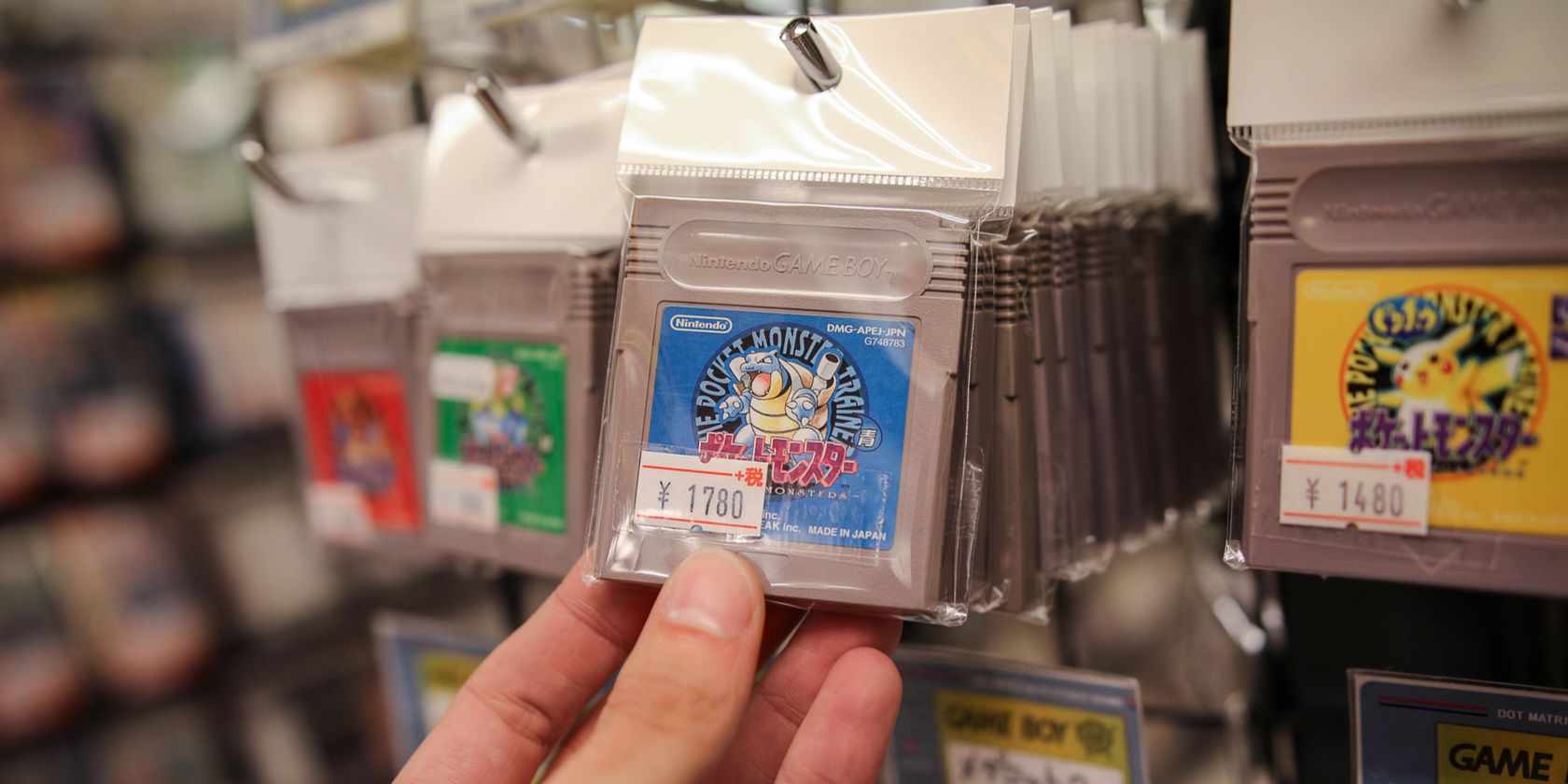
Imagine discovering a time capsule, not filled with trinkets and photos, but with the ghosts of games that never were. These aren't just unfinished products; they're glimpses into the creative process, the abandoned ideas, and the evolution of our favorite titles. But what happens when these early versions are lost to time?
The reality is, accessing these fascinating pieces of gaming history can be incredibly challenging. Early builds are often unstable, incomplete, and scattered across forgotten hard drives and defunct servers. Developers may no longer have the source code, or the tools to even run these ancient versions. This creates a significant barrier for researchers, historians, and even nostalgic gamers eager to explore the origins of beloved titles. This scarcity leads to a significant loss of valuable cultural heritage.
That's where preview build preservation comes in. It's a movement dedicated to rescuing, archiving, and sharing these early versions of video games. The goal is to ensure that these pieces of interactive history aren't lost forever, providing future generations with a tangible connection to the games of the past.
In essence, preview build preservation is about safeguarding gaming's past. It's about rescuing unfinished games, beta versions, and early prototypes. It's about providing a valuable resource for researchers, historians, and anyone interested in the evolution of video games. We must continue to champion the cause, ensuring that the story of game development, with all its twists and turns, is never forgotten. We must continue to keep an eye on the process of video game history, software preservation, and digital archiving for years to come.
The Importance of Access
I remember stumbling across an early demo of a game I loved as a kid. It was clunky, full of bugs, and barely resembled the final product. But playing it was an incredible experience. It gave me a newfound appreciation for the work that went into the game, and it was fascinating to see what the developers had originally envisioned.
That experience solidified my belief that access to these early builds is vital. It's not just about nostalgia; it's about understanding the creative process, the technical challenges, and the evolution of game design. By preserving and sharing these builds, we're providing future generations with a unique opportunity to learn from the past and gain a deeper understanding of the art and science of game development. Preview builds offer a unique window into the development process, revealing abandoned ideas, design iterations, and the technical hurdles faced by developers. This is invaluable not only for historical research but also for inspiring new generations of game creators.
Preserving these builds allows us to analyze how game design principles have evolved, how different technical approaches were attempted, and how feedback from testers and players shaped the final product. It provides a richer and more nuanced understanding of the history of video games and their impact on our culture. Imagine being able to explore the unreleased levels of a classic game, or to witness the evolution of a character's design from its earliest iterations. These are the kinds of insights that preview build preservation can unlock.
What is Preview Build Preservation?
Preview build preservation is the practice of archiving and maintaining early versions of video games, including prototypes, demos, beta versions, and pre-release builds. This process involves not only acquiring these builds but also ensuring their long-term accessibility through emulation, virtualization, and other preservation techniques.
It's a race against time, as older storage media degrades and the knowledge required to run these builds fades. Preview build preservation extends beyond just the game files themselves; it encompasses the necessary hardware, software, and documentation needed to accurately recreate the original gaming experience. This might include emulating specific consoles, operating systems, or even peripherals. It also involves collecting and preserving any accompanying materials, such as design documents, concept art, and developer notes, to provide context and a deeper understanding of the build's purpose and place in the game's development cycle. Preview build preservation is a complex undertaking, requiring technical expertise, archival skills, and a deep understanding of video game history.
The preservation process also faces legal challenges, as copyright laws and intellectual property rights can restrict the sharing and distribution of these builds. Navigating these legal complexities requires careful consideration and often involves working with developers and publishers to obtain permission for preservation and research purposes. Despite these challenges, the importance of preview build preservation cannot be overstated. These early builds offer a unique glimpse into the creative process and provide valuable insights into the evolution of video games. They are a vital part of our cultural heritage and deserve to be preserved for future generations.
History and Myth of Preview Build Preservation
The idea of preserving early game builds isn't entirely new, but it's only recently gained significant traction. For years, developers and collectors quietly hoarded these versions, often without a clear plan for long-term preservation or sharing. The early days of ROM hacking and emulation inadvertently played a role, as enthusiasts sought out unfinished content and early prototypes, but the focus was often on immediate gratification rather than systematic archiving.
One myth is that these builds are worthless or simply buggy messes. While it's true that they're often incomplete and unstable, that's precisely what makes them so interesting. They offer a unique perspective on the development process, revealing the challenges, compromises, and creative decisions that shaped the final product. Another myth is that developers are always willing to share these builds. In reality, many developers are hesitant due to legal concerns, proprietary information, or simply a lack of resources to properly prepare the builds for public consumption. Preview build preservation has evolved from a niche interest to a more organized movement, with dedicated communities, online archives, and collaborative projects aimed at rescuing and preserving these pieces of gaming history. This evolution has been driven by a growing recognition of the cultural significance of video games and a desire to understand their creative and technical origins.
The history of preview build preservation is intertwined with the history of video game development itself. As gaming technology has advanced, the complexity of game development has increased exponentially. Early builds offer a glimpse into a simpler time, when developers had to work within tight constraints and rely on ingenuity and creativity to overcome technical limitations. These early builds also serve as a reminder of the collaborative nature of game development, showcasing the contributions of artists, programmers, designers, and testers who worked together to bring these virtual worlds to life.
Hidden Secrets of Preview Build Preservation
One of the biggest secrets of preview build preservation is the detective work involved. Often, finding these builds requires tracking down former developers, scouring old forum posts, and piecing together fragmented information from disparate sources. It's like an archaeological dig, unearthing artifacts from a forgotten era of game development.
Another secret is the technical expertise required to run these builds. Many early games were designed for specific hardware configurations, operating systems, or even custom peripherals that are no longer readily available. Preserving these builds often involves emulation, a complex process of recreating the original hardware environment in software. This requires a deep understanding of computer architecture, programming languages, and reverse engineering techniques. Preview build preservation also involves navigating a complex web of legal issues, including copyright law, intellectual property rights, and licensing agreements. Developers and publishers often hold the rights to these builds, and obtaining permission for preservation and distribution can be a challenging process.
The hidden secret is also that the community plays a huge part in the preservation of video games. A large group of individuals who work together online to keep these preview builds alive. They are enthusiasts who want to share their knowledge of video games with others. Without them, a lot of these builds would be lost. However, the biggest secret is that not a lot of people do this. These enthusiast should be known for the amount of hours they put into archiving the software to make sure that it runs correctly.
Recommendations for Preview Build Preservation
If you're interested in getting involved in preview build preservation, there are several ways to contribute. One of the easiest is to simply spread the word. Share articles and resources about preview build preservation on social media, and talk to your friends and family about the importance of preserving gaming history. You can also support organizations and projects dedicated to preview build preservation through donations or volunteering.
If you have technical skills, you can contribute to emulation projects, help document early builds, or assist in the process of archiving and preserving these valuable assets. You can also reach out to developers and publishers and encourage them to release early builds to the public. The more people who are aware of the importance of preview build preservation, the more likely it is that these pieces of gaming history will be saved for future generations. Another recommendation is to support the development of open-source emulation software. Emulation is a critical tool for preserving early builds, as it allows us to run these games on modern hardware. By supporting open-source emulation projects, you're helping to ensure that these games remain accessible for years to come.
Finally, if you have any early builds in your possession, consider donating them to an archive or preservation project. Your contribution could make a significant difference in ensuring that these games are not lost to time. Together, we can work to preserve the history of video games and ensure that future generations have the opportunity to learn from and appreciate the creative and technical achievements of the past.
Tools and Technologies for Preview Build Preservation
Preview build preservation relies on a variety of tools and technologies, including emulation software, disk imaging tools, and metadata management systems. Emulation software allows us to run early builds on modern hardware, recreating the original gaming environment. Disk imaging tools allow us to create exact copies of physical media, such as floppy disks and cartridges, preserving the data in its original form. Metadata management systems allow us to organize and document early builds, providing valuable information about their origin, purpose, and place in the game's development cycle.
One of the most important tools for preview build preservation is emulation software. Emulators are programs that mimic the hardware and software of a specific video game console or computer system, allowing users to run games designed for that system on a different platform. There are emulators available for a wide range of consoles and computers, from the earliest arcade machines to more recent systems like the Play Station 2 and Xbox. Another important tool for preview build preservation is disk imaging software. Disk imaging software allows users to create exact copies of physical media, such as floppy disks, cartridges, and CDs. These images can then be stored digitally and used to recreate the original game on an emulator or other compatible system.
Metadata management systems are also essential for preview build preservation. Metadata is data about data, and it can be used to organize and document early builds, providing valuable information about their origin, purpose, and place in the game's development cycle. Metadata can include information such as the game's title, developer, publisher, release date, platform, genre, and description, as well as details about the specific build, such as its version number, date of creation, and any known bugs or issues. By using metadata management systems, archivists and researchers can easily search and retrieve early builds and gain a deeper understanding of their significance.
Tips for Preview Build Preservation
One of the most important tips for preview build preservation is to document everything. Keep detailed records of the builds you acquire, including their source, date of acquisition, and any relevant information about their history. Take screenshots and videos of the builds in action, and write down any interesting observations or insights you have. The more information you can gather about a build, the more valuable it will be to future researchers and historians.
Another important tip is to use proper storage techniques. Store your builds in a safe and secure location, away from extreme temperatures, humidity, and other environmental hazards. Use high-quality storage media, such as archival-grade CDs or hard drives, and make sure to back up your data regularly. Preview build preservation requires a collaborative approach. Reach out to other collectors, developers, and researchers, and share your knowledge and resources. The more people who are involved in the process, the more likely it is that these valuable assets will be saved for future generations.
It's also essential to prioritize the preservation of physical media. While digital copies are valuable, physical media provides a more authentic and complete representation of the original game. If you have any physical copies of early builds, take steps to preserve them in their original condition. Store them in protective cases, avoid handling them unnecessarily, and consider digitizing them to create a backup copy.
Legal and Ethical Considerations in Preview Build Preservation
Preview build preservation raises a number of legal and ethical considerations, particularly regarding copyright law and intellectual property rights. Many early builds are still protected by copyright, and distributing them without permission from the copyright holder could result in legal action. However, there are exceptions to copyright law, such as fair use and educational use, that may allow for the preservation and sharing of these builds under certain circumstances.
Ethical considerations also play a role in preview build preservation. It's important to respect the rights and wishes of developers and publishers, and to avoid distributing builds that they have explicitly asked not to be shared. It's also important to be transparent about the source of the builds you acquire and to give credit to the people who created them. One of the most challenging legal issues in preview build preservation is the concept of orphan works. Orphan works are copyrighted works for which the copyright holder cannot be identified or located. This can make it difficult to obtain permission to preserve and share these works, as there is no one to ask for permission.
There are a number of legal and ethical frameworks that can be used to guide preview build preservation efforts. One such framework is the concept of fair use, which allows for the use of copyrighted material for purposes such as criticism, commentary, news reporting, teaching, scholarship, and research. Another framework is the concept of educational use, which allows for the use of copyrighted material for educational purposes, such as teaching and learning. By carefully considering these legal and ethical issues, we can ensure that preview build preservation is conducted in a responsible and respectful manner.
Fun Facts of Preview Build Preservation
Did you know that some early builds contain hidden Easter eggs and secret features that were never released in the final game? These hidden gems can provide valuable insights into the creative process and the developers' original intentions. Another fun fact is that some early builds have been found on unexpected storage media, such as floppy disks from old computers or even discarded arcade cabinets.
The world of preview build preservation is full of fascinating stories and surprising discoveries. One of the most interesting facts about preview build preservation is that it can help to uncover the history of lost or forgotten games. Many games are never released to the public for a variety of reasons, such as financial difficulties, technical problems, or creative differences. Preview builds of these games may be the only surviving record of their existence. These builds can provide valuable insights into the creative process and the challenges of game development.
Preview build preservation can also help to reveal the evolution of game design and technology. By comparing early builds to the final product, we can see how games have changed over time, both in terms of their gameplay and their technical features. This can provide valuable insights into the history of video games and the evolution of the gaming industry. It's a great history class to learn about. Who knew, right?
How to Preview Build Preservation
The process of preview build preservation involves several key steps, including acquisition, documentation, preservation, and access. Acquisition involves finding and obtaining early builds from various sources, such as developers, collectors, and online archives. Documentation involves gathering information about the builds, such as their origin, purpose, and place in the game's development cycle. Preservation involves storing the builds in a safe and secure location, using appropriate storage media and techniques.
Access involves making the builds available to researchers, historians, and other interested parties, while respecting copyright law and intellectual property rights. One of the most important steps in preview build preservation is documentation. It's essential to gather as much information as possible about each build, including its origin, purpose, and place in the game's development cycle. This information can be used to create a detailed record of the build, which can be shared with other researchers and historians. Preservation also involves using appropriate storage media and techniques to ensure the long-term survival of the builds. It's important to store the builds in a safe and secure location, away from extreme temperatures, humidity, and other environmental hazards.
Digital preservation techniques can also be used to create backup copies of the builds, which can be stored on multiple devices and locations. Finally, access involves making the builds available to researchers, historians, and other interested parties. This can be done through online archives, museums, and other institutions that are dedicated to preserving video game history. It's important to respect copyright law and intellectual property rights when providing access to early builds.
What if Preview Build Preservation
Imagine a world where preview build preservation didn't exist. Countless early builds would be lost to time, along with the valuable insights they provide into the creative process and the evolution of game design. Future generations would be deprived of the opportunity to learn from the past and gain a deeper understanding of the art and science of game development. The history of video games would be incomplete, and our appreciation for the games we love would be diminished.
If preview build preservation didn't exist, many of the most interesting and important stories about video games would never be told. We would never know about the abandoned ideas, the technical challenges, and the creative decisions that shaped the final product. We would never be able to compare early builds to the final product and see how games have changed over time. Preview build preservation ensures that these stories are not forgotten.
We need to make sure that the industry preserves these parts of video game history. It is an important aspect for future generations, and also give those the chance to reflect on how far technology has come in the world of gaming.
Listicle of Preview Build Preservation
Here's a list of reasons why preview build preservation is so important:
- Provides insights into the creative process
- Reveals the evolution of game design
- Preserves the history of lost or forgotten games
- Offers a glimpse into the technical challenges of game development
- Inspires future generations of game creators
- Helps us appreciate the games we love
- Ensures that the history of video games is complete
- Provides valuable resources for researchers and historians
- Helps us understand the cultural significance of video games
- Protects our gaming heritage for future generations
Preview build preservation is a vital part of preserving the history of video games and ensuring that future generations have the opportunity to learn from the past and gain a deeper understanding of the art and science of game development. It's a complex and challenging undertaking, but it's one that is essential for protecting our gaming heritage.
Question and Answer
Q: Why is preview build preservation important?
A: Preview build preservation is important because it helps to preserve the history of video games and provides valuable insights into the creative process and the evolution of game design.
Q: What are some of the challenges of preview build preservation?
A: Some of the challenges of preview build preservation include finding and acquiring early builds, documenting the builds, preserving the builds, and providing access to the builds while respecting copyright law and intellectual property rights.
Q: How can I get involved in preview build preservation?
A: You can get involved in preview build preservation by donating early builds to archives or preservation projects, supporting organizations and projects dedicated to preview build preservation, and sharing information about preview build preservation on social media.
Q: What are some of the tools and technologies used in preview build preservation?
A: Some of the tools and technologies used in preview build preservation include emulation software, disk imaging tools, and metadata management systems.
Conclusion of Preview Build Preservation: Saving Early Gaming Versions
Preview build preservation is a vital but often overlooked aspect of preserving video game history. By safeguarding these early versions, we ensure that future generations can learn from the creative process, understand the evolution of game design, and appreciate the cultural significance of video games. The effort requires collaboration, technical expertise, and a deep appreciation for the games we love. Let's work together to ensure that these pieces of interactive history are not lost to time.
Post a Comment