Game Preservation Society: Organizations Fighting to Save Gaming History
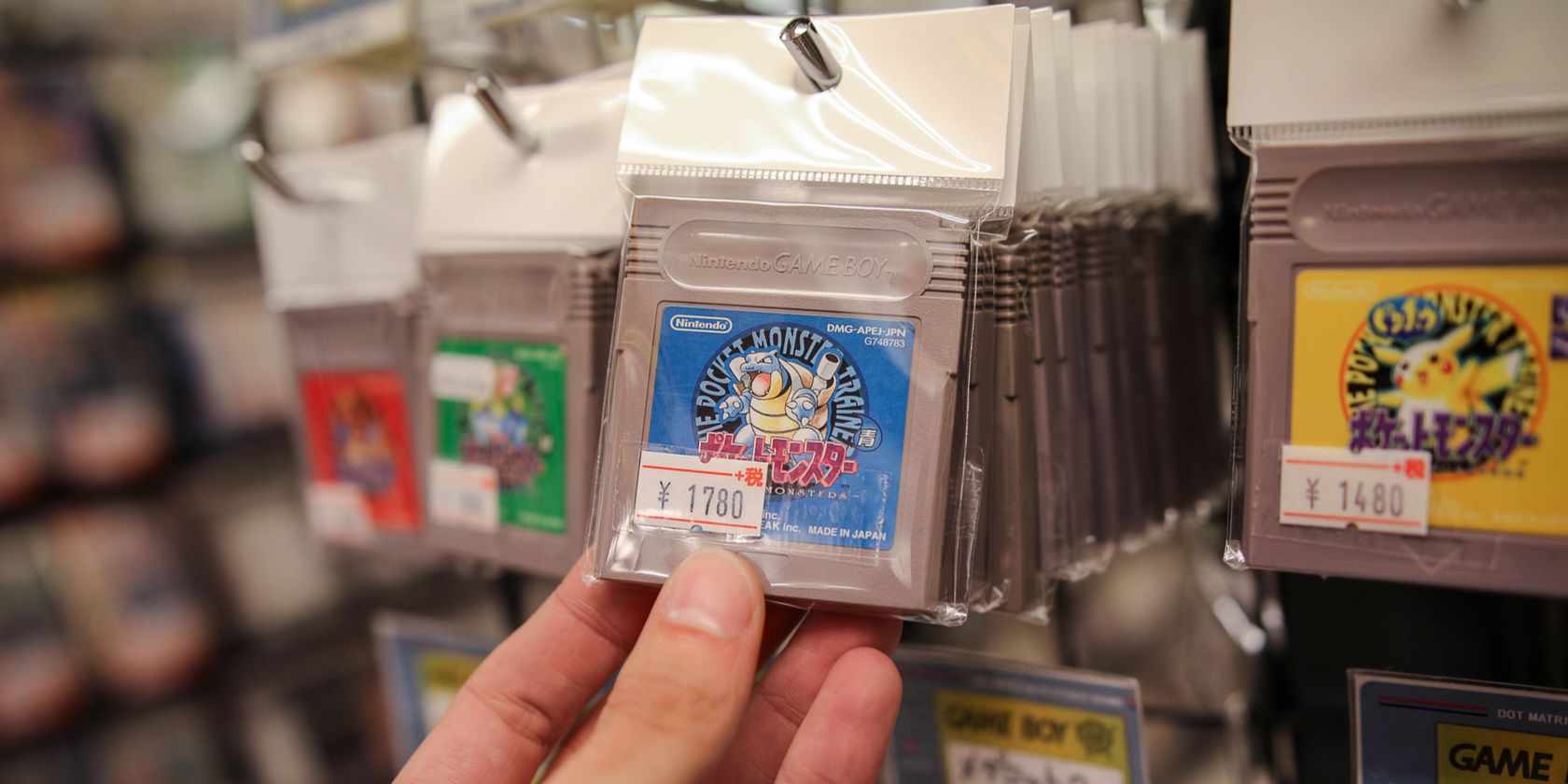
Imagine a world where the games you grew up with, the digital worlds that sparked your imagination, simply vanished. No more pixelated heroes, no more catchy soundtracks, just…gone. Sounds like a gamer's worst nightmare, right?
The fleeting nature of technology, coupled with complex copyright laws and the simple decay of physical media, presents a serious challenge. Many classic games are becoming increasingly difficult, if not impossible, to access. Emulation, while offering a solution, often treads a legal grey area. The original hardware required to play these games is aging, breaking down, and becoming increasingly rare. This leaves a significant gap in our cultural heritage, threatening to erase a significant portion of our interactive storytelling history.
That's where game preservation societies step in. These dedicated organizations are on a mission to save our gaming history, ensuring that future generations can experience the joy and innovation of past games. They work tirelessly to archive, preserve, and sometimes even restore classic games and hardware, making them available for research, education, and of course, pure enjoyment.
This article explores the world of game preservation societies, highlighting their crucial role in safeguarding our digital heritage. We'll delve into their efforts, the challenges they face, and how you can contribute to this vital cause. Discover the passionate individuals and organizations dedicated to keeping gaming history alive.
Why is Game Preservation Important?
I remember spending countless hours as a kid huddled around our family's old CRT television, controller in hand, completely engrossed in the world of "The Secret of Monkey Island." The witty dialogue, the quirky puzzles, the sheer sense of adventure – it was formative. Years later, I wanted to share that experience with my niece, only to discover how difficult it was to actuallyplaythe game. The original floppy disks were long gone, and finding a compatible system proved to be a real challenge. That's when the importance of game preservation truly hit home for me.
Game preservation is vital for many reasons. Games are a form of cultural expression, reflecting the technology, art, and social values of their time. They're also a significant part of our personal histories, shaping our memories and experiences. Preserving games allows us to understand the evolution of the medium, appreciate the creativity of developers, and connect with our own past. Beyond nostalgia, the study of older games can provide valuable insights into game design, storytelling, and even technological innovation. By understanding the roots of the industry, we can better appreciate the advancements that have led to the games we enjoy today. Furthermore, preserving games ensures that future generations can learn from and build upon the successes (and failures) of the past.
What are Game Preservation Societies?
Game preservation societies are organizations, often non-profit, dedicated to archiving, preserving, and making accessible video games and related materials. Their work encompasses a wide range of activities, from collecting and digitizing games and hardware to documenting the history of the industry and advocating for legal reforms that support preservation efforts. These societies are often staffed by passionate volunteers and experts who recognize the cultural and historical significance of video games.
These societies tackle a number of complex challenges. One of the biggest hurdles is copyright law. Many games are still under copyright protection, which limits the ability to freely distribute or modify them for preservation purposes. Legal grey areas surrounding emulation further complicate matters. Another challenge is the sheer scale of the task. There are tens of thousands of games released across various platforms, each with its own unique hardware and software requirements. Physical media, such as cartridges and discs, are also prone to degradation over time, requiring careful storage and handling to prevent data loss. Furthermore, the original source code and development assets for many older games are often lost or inaccessible, making it difficult to restore or enhance them. Game preservation societies often rely on donations, grants, and volunteer support to fund their efforts and overcome these challenges.
The History and Myth of Game Preservation
The history of game preservation is relatively short, mirroring the relatively young age of the video game industry itself. The earliest efforts were largely informal, with individuals and small groups collecting and archiving games out of personal interest. As the industry matured and older games began to disappear, the need for more organized preservation efforts became increasingly apparent. The rise of the internet facilitated the sharing of information and resources, leading to the formation of dedicated game preservation communities and organizations.
However, a certain "myth" sometimes surrounds game preservation. There's a misconception that if something is "on the internet," it's automatically preserved. This is far from the truth. Online archives are vulnerable to takedown notices, copyright claims, and simple neglect. Websites can disappear, servers can crash, and files can be lost or corrupted. True game preservation requires a more systematic and long-term approach, involving careful archiving, documentation, and legal advocacy. It's not just about making games available online; it's about ensuring that they remain accessible and playable for generations to come.
Hidden Secrets of Game Preservation
One of the lesser-known aspects of game preservation is the incredible detective work that often goes on behind the scenes. Preserving a game isn't just about copying the files; it's about understanding the intricate technical details of the hardware and software, uncovering lost source code, and sometimes even reverse-engineering entire systems. This requires a deep understanding of computer science, electrical engineering, and even art history.
A fascinating "secret" lies in the passionate community of modders and hackers who often contribute to game preservation efforts. These individuals possess a unique combination of technical skills and creative ingenuity, allowing them to unlock hidden features, fix bugs, and even create new content for older games. Their work is invaluable in breathing new life into classic titles and ensuring that they remain playable on modern systems. These communities often share their knowledge and resources openly, fostering a collaborative environment that accelerates the process of game preservation.
Recommendations for Supporting Game Preservation
Supporting game preservation can take many forms, from donating to established organizations to simply spreading awareness about the importance of this work. One of the most direct ways to contribute is to donate your old games and hardware to preservation societies. These organizations often rely on physical copies of games to create digital archives and study the original hardware.
Beyond donations, you can also volunteer your time and skills. Many game preservation societies are staffed by volunteers with a wide range of backgrounds, from programmers and archivists to writers and historians. Even if you don't have technical expertise, you can still contribute by helping with tasks such as cataloging games, writing documentation, or assisting with outreach efforts. Another important way to support game preservation is to advocate for legal reforms that protect the rights of archivists and researchers. Copyright laws can often hinder preservation efforts, so it's important to support policies that allow for the fair use of copyrighted material for non-commercial purposes. Ultimately, the future of game preservation depends on the collective efforts of individuals, organizations, and policymakers working together to safeguard our digital heritage.
The Challenges of Emulation
Emulation, the process of mimicking the hardware of one system on another, is a crucial tool in game preservation. It allows us to play games designed for older platforms on modern computers and devices. However, emulation is not without its challenges. Creating accurate emulators requires a deep understanding of the original hardware, which can be difficult to obtain. Emulators must replicate the behavior of the CPU, GPU, sound chip, and other components of the original system, often requiring significant reverse-engineering efforts.
Furthermore, emulation can raise legal issues. While emulation itself is generally considered legal, the distribution of ROMs (the digital copies of games used by emulators) is often a violation of copyright law. This creates a complex legal landscape that can hinder game preservation efforts. Despite these challenges, emulation remains a vital tool for preserving and accessing older games. Open-source emulators, developed by passionate communities of volunteers, are constantly being improved and refined, ensuring that future generations can experience the classics.
Tips for Building Your Own Game Archive
While the large-scale preservation of video games is best left to dedicated organizations, you can still contribute to the effort by building your own personal game archive. This involves collecting and preserving your own games and hardware, ensuring that they remain playable for years to come. One of the most important steps is to properly store your games and hardware. Physical media, such as cartridges and discs, should be stored in a cool, dry place away from direct sunlight. Batteries in older cartridges can leak and damage the game, so it's a good idea to remove them if you're not planning on playing the game for a while.
Another important tip is to create backups of your games. This can be done by ripping the ROMs from your cartridges or discs and storing them on a computer or external hard drive. However, it's important to be aware of the legal implications of distributing ROMs, even for games that are no longer commercially available. Finally, consider documenting your collection. This can involve creating a spreadsheet or database that lists all of your games, hardware, and accessories. You can also include information about the condition of each item, its history, and any interesting anecdotes or memories associated with it. By building your own game archive, you can not only preserve your own personal gaming history but also contribute to the larger effort of safeguarding our digital heritage.
Documenting Hardware Configurations
Documenting hardware configurations is a crucial aspect of game preservation. It involves recording the specific settings and components of a computer or console that are necessary to run a particular game. This information can be invaluable for future researchers and emulators who are trying to recreate the original gaming experience. Hardware configurations can include details such as the type of CPU, GPU, and sound card used, as well as the amount of RAM and storage space available. It can also include information about any specific drivers or software patches that are required to run the game properly.
Documenting hardware configurations can be a time-consuming and technical process, but it's essential for ensuring that games can be accurately emulated and played on future systems. This information can be gathered through a variety of methods, including reading the game's documentation, examining the system's configuration files, and even disassembling the hardware itself. Once the information has been gathered, it should be carefully documented and stored in a safe place. This information can then be shared with other researchers and emulators to help them preserve and recreate the original gaming experience.
Fun Facts About Game Preservation
Did you know that one of the earliest attempts at game preservation involved a group of enthusiasts who painstakingly transcribed the entire source code of the classic arcade game "Donkey Kong" by hand? This was done before the advent of widespread internet access and sophisticated digital archiving tools. It's a testament to the dedication and ingenuity of early game preservationists.
Another fun fact is that some game preservation societies have partnered with museums and libraries to create interactive exhibits that showcase the history of video games. These exhibits allow visitors to play classic games on original hardware, providing a unique and immersive experience. They also help to raise awareness about the importance of game preservation and educate the public about the cultural and historical significance of video games. These are just a few examples of the fascinating and often unexpected stories that emerge from the world of game preservation.
How to Get Involved in Game Preservation
Getting involved in game preservation is easier than you might think. There are many ways to contribute, regardless of your skills or background. One of the most direct ways to get involved is to volunteer with a game preservation society. Many organizations are staffed by volunteers who help with a wide range of tasks, from cataloging games to writing documentation to assisting with fundraising efforts.
If you have technical skills, you can contribute by helping to develop emulators, reverse-engineer games, or create digital archives. If you have writing skills, you can contribute by writing articles about game history, documenting hardware configurations, or creating guides for playing older games. Even if you don't have any specific skills, you can still contribute by donating your old games and hardware, spreading awareness about the importance of game preservation, or simply supporting organizations that are working to preserve our digital heritage. Every little bit helps, and together we can ensure that future generations can experience the joy and innovation of past games.
What If We Didn't Preserve Games?
Imagine a world where the games of the past were simply lost to time. Gone would be the groundbreaking innovations, the influential stories, and the countless hours of enjoyment that these games provided. We would lose a significant part of our cultural heritage, and future generations would be deprived of the opportunity to experience the joy and wonder of classic games.
The consequences of not preserving games would extend beyond mere nostalgia. We would lose valuable insights into the evolution of technology, art, and storytelling. We would be unable to learn from the successes and failures of past game developers, hindering innovation in the industry. We would also lose a powerful tool for education and cultural understanding. Games can be used to teach history, science, and other subjects in an engaging and interactive way. They can also provide insights into different cultures and perspectives. By preserving games, we ensure that these benefits are available to future generations.
Listicle: Top 5 Game Preservation Organizations
Here's a list of five organizations that are leading the charge in game preservation:
- The Video Game History Foundation: A non-profit organization dedicated to preserving, celebrating, and teaching the history of video games.
- The Internet Archive: Home to a vast collection of software, including playable arcade games and console titles.
- The Strong National Museum of Play: Features a dedicated video game collection and interactive exhibits.
- Software Preservation Network (SPN): Supports software preservation activities across libraries, archives, and museums.
- The National Videogame Museum (UK): Showcases the history of British video game development and culture.
These organizations are all working to safeguard our digital heritage, ensuring that future generations can experience the joy and innovation of past games. They rely on donations, grants, and volunteer support to fund their efforts, so consider supporting them if you're passionate about game preservation.
Question and Answer
Q: Why is game preservation important?
A: Games are a cultural artifact that reflects the time and place they were created. They offer insight into technology, design, and societal values, and deserve to be preserved for future generations to study and enjoy.
Q: What are the biggest challenges facing game preservation?
A: Copyright law, technological obsolescence, and the degradation of physical media are major hurdles. Obtaining legal permission to archive and distribute games, finding the necessary hardware to run them, and preventing the decay of cartridges and discs are all significant challenges.
Q: How can I help with game preservation efforts?
A: You can donate your old games and consoles to preservation organizations, volunteer your time and skills, support legal reforms that protect the rights of archivists, and simply spread awareness about the importance of game preservation.
Q: What is emulation, and why is it important for game preservation?
A: Emulation is the process of mimicking the hardware of one system on another, allowing us to play games designed for older platforms on modern computers. It's a crucial tool for preserving and accessing older games, but it can also raise legal issues related to copyright.
Conclusion of Game Preservation Society: Organizations Fighting to Save Gaming History
The work of game preservation societies is not just about nostalgia; it's about safeguarding a vital part of our cultural heritage. These dedicated organizations face numerous challenges, from complex copyright laws to the sheer scale of the task. However, their efforts are essential for ensuring that future generations can experience the joy, innovation, and historical significance of video games. By supporting these organizations and taking steps to preserve our own gaming memories, we can all play a part in keeping gaming history alive.
Post a Comment