Game Preservation: Saving Video Game History for Future Generations
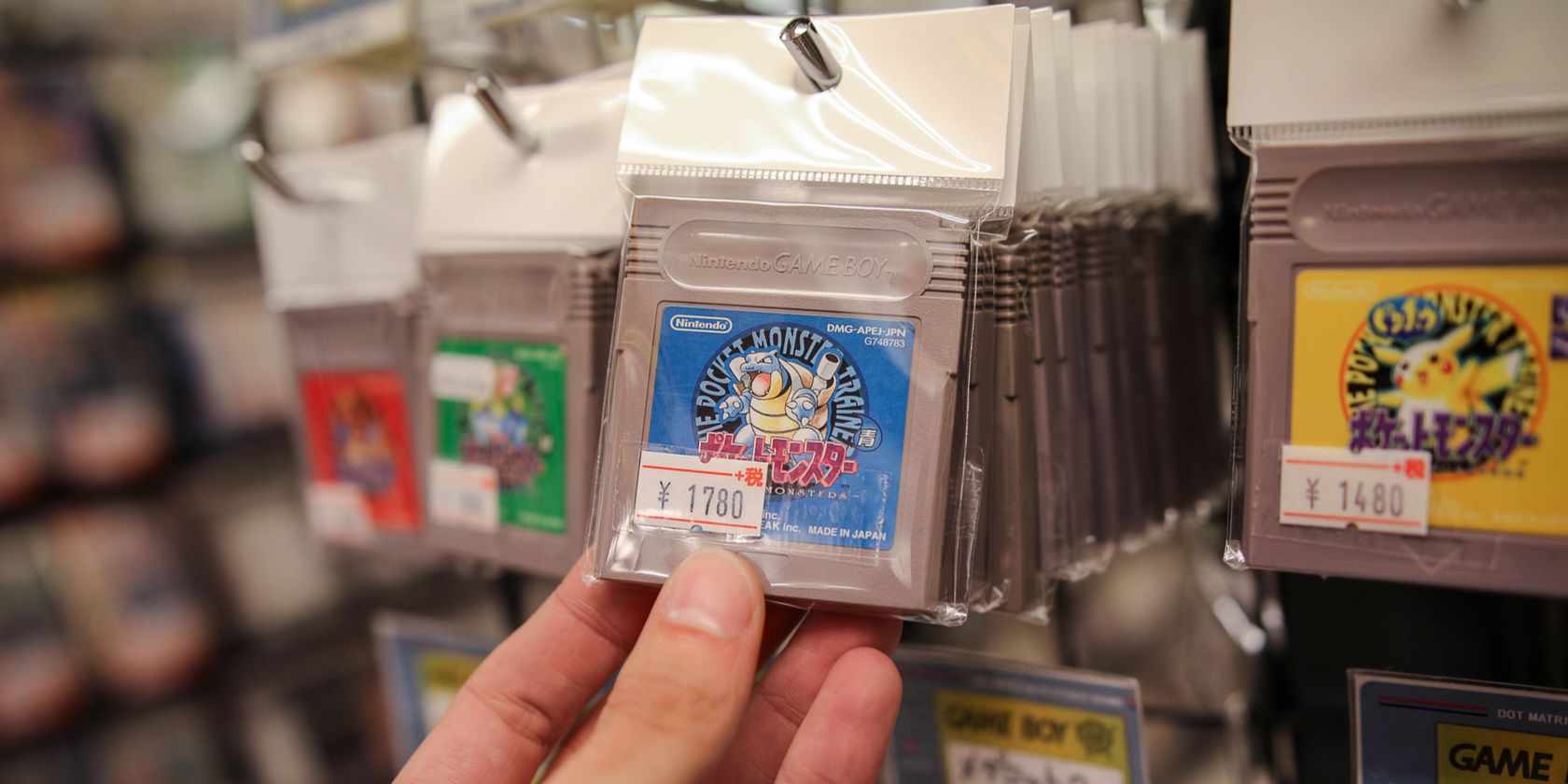
Imagine a world where the stories, the challenges, the sheer joy of past video games are lost forever, fading into the digital ether. It's a chilling thought, isn't it? The vibrant worlds, the pixelated heroes, the groundbreaking innovations – all gone. This isn't some dystopian fantasy; it's a very real possibility if we don't actively work to prevent it.
The fleeting nature of technology creates scenarios where games become unplayable due to outdated hardware, obsolete software, or even legal complications surrounding intellectual property. Think about your favorite childhood game. Is it still easily accessible? Does it run on modern devices? The answer, sadly, is often no. Entire genres and platforms risk disappearing, taking with them a vital part of our cultural heritage. Many games rely on online servers that are eventually shut down, rendering them incomplete or entirely unplayable, like a book with missing chapters.
Game preservation aims to prevent this cultural catastrophe. It's about ensuring that future generations can experience and learn from the video games of the past. It's about safeguarding not just the games themselves, but also the context in which they were created: the art, the music, the code, the stories behind their development, and the impact they had on society. This effort aims to provide access to these games, emulate their original experience, and offer context so that new generations can understand and appreciate their importance.
Effectively, game preservation seeks to document, archive, and make accessible video games and related materials, ensuring they don't vanish with technological advancements or changing corporate priorities. It involves legal frameworks, technological solutions like emulation, and dedicated communities of archivists, programmers, and gamers working together to rescue and protect our shared gaming history. This includes preserving not only the games themselves, but also their hardware, software, documentation, and the cultural context surrounding them. It ensures that future generations can enjoy, study, and understand the evolution of this important art form, protecting digital heritage, promoting accessibility, and preventing digital obsolescence.
My First Encounter with Game Preservation
I remember the day I discovered ROMs and emulators like it was yesterday. I was probably 12 or 13 and had been lamenting the fact that I couldn't play my old Game Boy Advance games on my brand-new Nintendo DS. I missed the simple charm of those pixelated adventures. After some online digging (back in the days of dial-up internet!), I stumbled upon a forum discussing emulators and ROMs. It felt like discovering a secret world. I downloaded an emulator and a ROM of my favorite GBA game, "Pokemon Fire Red". The moment that title screen loaded on my computer, it was pure magic. Suddenly, a game I thought was lost to time was alive again, vibrant as ever. That experience sparked a fascination with emulation and game preservation that continues to this day. It opened my eyes to the importance of keeping these games accessible, even when the original hardware is long gone. It highlighted the importance of individuals taking steps to preserve these experiences, and it demonstrated the power of community-driven efforts to ensure that games don't fade into obscurity. From that moment on, I was hooked on discovering and preserving my childhood favorites, and sharing them with my friends.
What Exactly is Game Preservation?
Game preservation is the systematic process of ensuring that video games, along with their associated hardware, software, documentation, and cultural context, remain accessible and playable for future generations. It's a multifaceted effort that addresses the challenges posed by technological obsolescence, legal barriers, and the inherent ephemerality of digital media. Think of it as building a digital library for video games. This library is more than just storing the games themselves; it's about capturing the complete experience, from the way the game felt on its original hardware to the stories and memories it evokes. This can involve creating digital archives of game code, artwork, music, and design documents. It also includes developing emulators that recreate the functionality of old gaming consoles and computers, allowing modern devices to run these older games. Legal considerations are also paramount, as copyright laws can often hinder preservation efforts. Organizations and individuals involved in game preservation often work to negotiate licenses or advocate for exemptions to copyright laws to allow for the archiving and distribution of games for educational or historical purposes. In essence, it's a race against time to safeguard our gaming heritage before it's lost forever.
The History and Myths of Game Preservation
The need for game preservation wasn't always apparent. In the early days of gaming, few people considered the long-term implications of rapidly evolving technology. The prevailing attitude was often "out with the old, in with the new." However, as gaming matured and began to be recognized as a significant cultural force, the importance of preserving its history became increasingly clear. One of the early myths surrounding game preservation was that it was primarily about piracy. The lines between preserving games and illegally distributing copyrighted material can be blurry, and this perception has often hindered preservation efforts. However, the core goal of game preservation is not to undermine copyright, but rather to ensure that games are available for study and appreciation in the long term. Another myth is that game preservation is solely the responsibility of large corporations. While publishers and platform holders certainly have a role to play, much of the work is done by dedicated individuals, community groups, and academic institutions. These groups often operate on a shoestring budget, relying on volunteer efforts and donations to keep the dream alive. The history of game preservation is filled with tales of ingenuity and perseverance, stories of passionate individuals who refused to let their favorite games fade into oblivion.
The Hidden Secrets of Game Preservation
One of the hidden secrets of game preservation is that it's not just about archiving the finished product. It's also about preserving the development process. Behind every great game lies a wealth of discarded ideas, early prototypes, and behind-the-scenes stories. These materials can provide invaluable insights into the creative process and the evolution of game design. Another hidden secret is the importance of reverse engineering. When official documentation is scarce or unavailable, preservationists often have to meticulously analyze game code to understand how it works and how to emulate it accurately. This requires a deep understanding of computer architecture and programming languages, as well as a healthy dose of detective work. Furthermore, a collaborative effort is often required, since people from different communities can share their expertise and resources, making the preservation effort more efficient and effective. The hidden secrets of game preservation are often found in the details: the subtle nuances of gameplay, the quirks of the original hardware, the untold stories behind the games we love. By uncovering and preserving these secrets, we can gain a deeper appreciation for the art and craft of video game development.
Recommendations for Getting Involved in Game Preservation
Game Preservation: Emulation Technology
Emulation is a cornerstone of game preservation. It involves creating software that mimics the functionality of a specific piece of hardware, such as a gaming console or computer. This allows you to run games designed for that hardware on a different platform, like your modern PC or smartphone. Emulation is essential because original hardware often becomes scarce, unreliable, or incompatible with modern displays and input devices. Without emulation, many classic games would be virtually unplayable today. However, emulation is not a perfect solution. Accurately recreating the behavior of complex hardware can be incredibly challenging. Early emulators often suffered from glitches, slowdowns, and graphical errors. Over time, emulators have become much more sophisticated, but even the best emulators can have limitations. There are also legal considerations surrounding emulation, particularly when it involves circumventing copyright protection. Despite these challenges, emulation remains one of the most effective tools for game preservation, allowing us to experience and study games from past eras.
Tips for Game Preservation
There are many ways to contribute to game preservation, even if you're not a programmer or archivist. One simple but effective way is to document your own gaming experiences. Write about your favorite games, record gameplay footage, or share your memories online. This can help to provide context and historical information for future generations. Another helpful tip is to support organizations that are actively involved in game preservation. Many groups rely on donations or volunteer efforts to keep their projects running. You can also contribute by reporting bugs and inaccuracies in emulators or game databases. By helping to improve the accuracy of preservation efforts, you can ensure that future generations have the most authentic experience possible. If you have old games or hardware lying around, consider donating them to a preservation organization. These artifacts can be invaluable for research and documentation. Most importantly, spread the word about the importance of game preservation. The more people who are aware of the issue, the more likely we are to succeed in safeguarding our gaming heritage.
Copyright and Legal Considerations
One of the biggest challenges facing game preservation is copyright law. In many cases, the copyright holders of old games are either unknown or unwilling to grant permission for preservation efforts. This can make it difficult to legally archive and distribute games, even for non-commercial purposes. There are some exceptions to copyright law that can be used for preservation, such as fair use and archival exemptions. However, these exceptions are often narrowly defined and can be difficult to apply in practice. Some countries have introduced specific legislation to address the issue of game preservation, but there is no international consensus on the matter. The legal landscape surrounding game preservation is complex and constantly evolving. It's essential to be aware of the legal risks involved before undertaking any preservation efforts. Seeking legal advice can also be a valuable idea when dealing with copyright issues surrounding old video games. The best way to make a difference is to respect the rights of copyright holders while advocating for more flexible copyright laws that support preservation efforts.
Fun Facts About Game Preservation
Did you know that the Library of Congress has a collection of video games? As part of its efforts to preserve American culture, the Library of Congress has been collecting video games since the 1980s. Another interesting fact is that some game developers have intentionally released their old games into the public domain. This allows anyone to freely distribute and modify the games without fear of copyright infringement. One of the earliest examples of game preservation was the creation of MAME (Multiple Arcade Machine Emulator) in the late 1990s. MAME allowed people to play thousands of classic arcade games on their home computers, helping to revive interest in these forgotten classics. The game preservation community is a diverse and passionate group of people from all over the world. They come from different backgrounds and have different skills, but they all share a common goal: to ensure that video games are not lost to history. There are dedicated game preservation conferences held every year where people come together to share their knowledge and experience.
How To Get Involved in Game Preservation
Getting involved in game preservation can seem daunting, but there are many ways to contribute, regardless of your technical skills. One of the easiest ways to start is by documenting your own gaming experiences. Write about your favorite games, create video walkthroughs, or share your memories on social media. This helps create a historical record of the games and their cultural impact. You can also support organizations dedicated to game preservation by donating time or money. Many of these groups rely on volunteers to archive games, develop emulators, and advocate for better copyright laws. If you have technical skills, you can contribute to open-source emulation projects or help create game databases. There are also opportunities to work with academic institutions or museums that are involved in game preservation. By joining online communities and forums, you can connect with other preservationists and learn about new projects and initiatives. Preservation doesn't need to be a daunting task, even just spreading awareness about it helps.
What If We Don't Preserve Games?
Imagine a world where the only video games available are the ones currently being sold. All the classics, the experimental titles, the games that pushed the boundaries of technology and storytelling – all gone. This is the potential consequence of neglecting game preservation. The loss of these games would be a cultural tragedy, akin to losing a significant portion of our film or music history. Future generations would be deprived of the opportunity to experience and learn from these games, missing out on the artistic, technical, and social innovations they represent. Without preservation, our understanding of video game history would be incomplete and distorted. We would lose the ability to trace the evolution of game design, the development of new technologies, and the changing cultural attitudes towards gaming. The absence of these games would also stifle creativity and innovation. By studying the games of the past, developers can learn from both their successes and failures, avoiding the mistakes of the past and building upon existing ideas. Game preservation is not just about nostalgia; it's about safeguarding our cultural heritage and ensuring that future generations have the opportunity to explore the rich and diverse world of video games.
Top 5 Reasons Why Game Preservation Matters
Here is a list of the top five reasons for game preservation:
1.Preserving Cultural Heritage: Video games are a significant part of our cultural heritage, reflecting our society's values, beliefs, and technological advancements.
2.Enabling Historical Research: Preserved games provide valuable resources for researchers studying the history of technology, art, and culture.
3.Inspiring Creativity and Innovation: By studying classic games, developers can gain new ideas and inspiration for creating innovative games.
4.Ensuring Access for Future Generations: Preservation ensures that future generations can experience and enjoy the games of the past.
5.Protecting Against Digital Obsolescence: Game preservation protects games from being lost due to technological advancements, changing software, or corporate loss.
Question and Answer about Game Preservation
Here are some common questions and answers about game preservation:
Q: What are the biggest threats to game preservation?
A: The biggest threats include technological obsolescence, copyright law, lack of funding, and the ephemerality of digital media.
Q: What is emulation and why is it important for game preservation?
A: Emulation is the process of creating software that mimics the functionality of a specific piece of hardware. It's important because it allows you to play games designed for that hardware on a different platform.
Q: How can I get involved in game preservation?
A: You can get involved by documenting your gaming experiences, supporting preservation organizations, contributing to open-source projects, or donating old games and hardware.
Q: Why is game preservation important for education?
A: Preserved games provide valuable resources for researchers and educators, allowing them to study the history of technology, art, and culture.
Conclusion of Game Preservation: Saving Video Game History for Future Generations
Game preservation is a vital undertaking that ensures the long-term survival of video games and their associated history. By actively working to document, archive, and make accessible the games of the past, we can ensure that future generations have the opportunity to experience and learn from this important art form. It's a collaborative effort that requires the participation of individuals, organizations, and governments. Let's work together to save our gaming heritage before it's lost forever, so that we can maintain the legacies of our favourite games.
Post a Comment