European Game Preservation: Saving Continental Gaming History
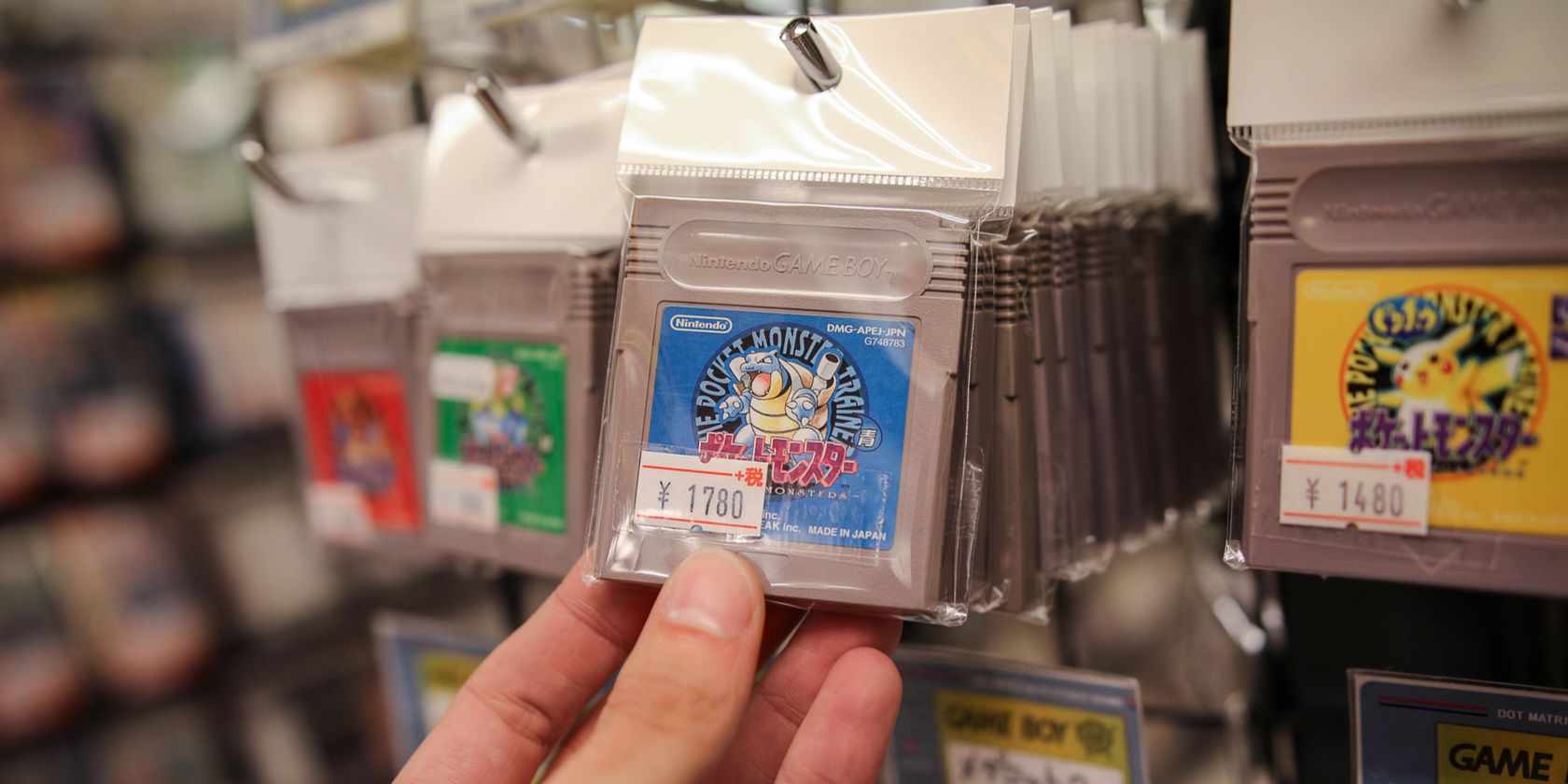
Imagine a world where the games you grew up with, the ones that sparked your imagination and provided countless hours of entertainment, simply vanished. Lost forever, unplayable, relegated to dusty memories. This isn't a far-fetched dystopian scenario; it's a very real possibility facing the legacy of European video games.
The challenge lies in the fragmented nature of the European gaming landscape. Unlike regions with dominant consoles or development hubs, Europe boasts a diverse tapestry of platforms, languages, and cultural influences, many games being developed for specific regions or markets. Add to this the rapid obsolescence of hardware and software, and the lack of standardized preservation efforts, and you have a recipe for potential digital amnesia. The risk of losing culturally significant pieces of interactive entertainment from the continent is substantial.
The mission is clear: to safeguard Europe's rich and diverse gaming heritage. This involves not only archiving the games themselves but also preserving the hardware, software, documentation, and cultural context that give them meaning. It's about ensuring that future generations can experience and learn from the unique contributions of European game developers.
This article explores the critical importance of preserving European video games, highlighting the unique challenges involved, and discussing potential strategies for ensuring these digital treasures endure. We will delve into what's at stake, examining the historical and cultural significance of these games and the steps being taken to prevent their loss. Join us as we investigate the pressing need for European game preservation, what constitutes preservation in this context, and some surprising facts surrounding this important endeavor.
The Importance of Regional Focus
I remember the thrill of discovering a little-known Amiga game at a car boot sale as a kid. It was a quirky platformer, clearly made by a small team, but it had a distinct charm and humor that felt uniquely British. It wasn't polished like a Super Mario game, but it was packed with personality and it immediately grabbed me. That experience highlighted something very important, the existence of gems that are never going to be in a list of greatest games ever, but they are still important culturally, and they would be forgotten if were not saved. These smaller, regionally focused titles often capture a specific moment in time or reflect a particular cultural sensibility. They might not be global blockbusters, but they are vital components of Europe's gaming identity. Preservation efforts need to acknowledge and prioritize these games alongside the more commercially successful titles.
Regional focus in European game preservation acknowledges the continent's distinct gaming landscape. Games developed and popular in specific European countries often reflect their cultural values, historical events, or local humor. These games, while perhaps not widely known outside their origin region, are crucial parts of that region's cultural heritage. For example, early British home computer games like those on the ZX Spectrum or Commodore 64 often featured unique gameplay mechanics and themes that resonated with British players. Similarly, French adventure games or German strategy games had their own distinct styles. Preserving these games provides insight into the specific cultural contexts in which they were created and played. By focusing on regional variations, game preservation efforts can ensure a more complete and accurate representation of Europe's gaming history, capturing the nuances and diversity that make it so rich. Ignoring regional games would result in a homogenized and incomplete picture of the continent's contributions to the global gaming landscape.
What Constitutes Preservation?
Preservation isn't just about creating digital backups of game files. It's a multifaceted process that encompasses a range of activities, from archiving original hardware and software to documenting the development process and capturing player experiences. It's about creating a comprehensive record of a game's history and ensuring its accessibility for future generations. When someone picks up a game, they shouldn't be confused and lost, instead they should have the option to see the history of that game.
Game preservation involves a wide range of activities beyond simply copying game files. It encompasses the archiving of original game media (cartridges, disks, tapes), hardware (consoles, computers, peripherals), documentation (design documents, manuals, marketing materials), and even related ephemera like fan magazines and merchandise. Emulation plays a critical role, allowing games to be played on modern systems without requiring original hardware. However, emulation alone is not enough. Preserving the original hardware is also crucial, as it provides the most authentic experience and allows for the study of original programming techniques and design choices. Furthermore, documenting the history of a game, including interviews with developers, reviews, and player experiences, provides valuable context and enriches the understanding of its cultural significance. Ultimately, effective game preservation aims to create a comprehensive and accessible record of a game's creation, reception, and impact, ensuring that it can be appreciated and studied for generations to come. The challenge lies in the scale and complexity of this task, particularly given the diverse range of platforms and formats used throughout European gaming history.
The History and Myth of European Game Preservation
The idea of actively preserving video games is relatively new. For many years, games were treated as disposable entertainment products, destined to be replaced by newer, more advanced titles. This mindset contributed to the loss of countless games, especially those from the early days of home computing and consoles. A common myth is that everything has been saved, but in reality, a significant portion of gaming history remains at risk of being lost.
The early history of European game preservation is characterized by a lack of coordinated effort and a prevailing attitude that games were disposable. Many games, particularly those on older formats like cassette tapes and floppy disks, were simply thrown away or lost over time. As a result, significant portions of European gaming history have already been lost. The myth that everything has been preserved stems from the availability of many popular games through emulation and online archives. However, these collections often focus on commercially successful titles, neglecting smaller, regionally specific games and the associated documentation. Furthermore, emulation can only recreate the experience of playing a game, not preserve the original hardware or the cultural context in which it was created. True preservation requires a more comprehensive approach that includes physical archiving, documentation, and historical research. Overcoming the misconception that everything is already saved is crucial for raising awareness and securing resources for ongoing preservation efforts. It also means remembering that sometimes even getting the game is not enough, you need the context, the history and related material to that game.
The Hidden Secrets of European Game Preservation
One of the biggest challenges in game preservation is navigating copyright law. Many games are trapped in legal limbo, with the original copyright holders no longer existing or being difficult to track down. This makes it difficult to legally archive and distribute these games, even for non-commercial purposes. This is also a reason for several games to have been lost, and never found, because the only copy was kept and kept hidden for copyright concerns.
The intricate web of copyright law represents a significant obstacle to European game preservation. Many older games are considered "orphaned works," meaning that the copyright holders are either unknown, untraceable, or defunct. This makes it legally challenging to archive and distribute these games, even for non-profit purposes. Copyright law varies across European countries, adding further complexity to the situation. Some countries have exceptions for preservation, but these exceptions are often narrowly defined and difficult to apply in practice. The lack of clarity surrounding copyright creates a chilling effect, discouraging individuals and institutions from engaging in preservation efforts for fear of legal repercussions. Furthermore, the definition of "preservation" itself can be debated in the context of copyright law. Does it include simply archiving the game code, or does it also encompass making the game playable through emulation or modification? Resolving these legal ambiguities is essential for unlocking the potential of European game preservation and ensuring that these cultural artifacts can be accessed by future generations. Ignoring the secrets that copyright prevents you from using would render the efforts obsolete or simply illegal.
Recommendations for European Game Preservation
The key to successful game preservation is collaboration. This means bringing together game developers, historians, archivists, and enthusiasts to share knowledge, resources, and expertise. It also requires establishing clear standards and best practices for archiving and documenting games. By working together, we can create a comprehensive and sustainable preservation ecosystem. If something happens to one person, several other people would still be able to access the resource.
To ensure the long-term success of European game preservation, several recommendations can be made. First, increased funding is needed to support preservation efforts at both national and European levels. This funding should be directed towards establishing dedicated game archives, developing preservation tools and methodologies, and training preservation professionals. Second, greater collaboration is required among game developers, historians, archivists, and enthusiasts. This collaboration should involve sharing knowledge, resources, and best practices, as well as working together to identify and prioritize games for preservation. Third, clear legal frameworks are needed to address copyright issues and facilitate the legal archiving and distribution of orphaned works. Fourth, educational initiatives are necessary to raise awareness of the importance of game preservation among the general public and to encourage individuals to contribute to preservation efforts. Finally, the development of open-source tools and technologies should be prioritized to ensure that preservation methods remain accessible and sustainable. By implementing these recommendations, Europe can safeguard its rich gaming heritage for future generations. Another key point is that you need the expertise to be able to determine the importance of the game to know which to prioritize.
Community Involvement and Crowdsourcing
One of the most promising avenues for game preservation is community involvement. Enthusiasts and collectors often possess invaluable knowledge and resources, including rare games, hardware, and documentation. By harnessing the power of crowdsourcing, we can significantly accelerate the preservation process. Online platforms can be used to collect data, identify missing games, and coordinate preservation efforts. There are some games that no company would ever care about, and those only can be saved thanks to the community.
Community involvement and crowdsourcing are invaluable assets in the effort to preserve European gaming history. Enthusiasts and collectors often possess a wealth of knowledge about obscure games, rare hardware, and forgotten documentation that may not be accessible through traditional channels. By creating platforms for community members to share their expertise, contribute to game databases, and participate in preservation projects, we can significantly expand the scope and effectiveness of these efforts. Crowdsourcing can also be used to identify missing games, track down original developers, and translate documentation into multiple languages. Furthermore, community-driven initiatives can foster a sense of ownership and responsibility for preserving gaming heritage, ensuring that these efforts are sustainable over the long term. Online forums, wikis, and social media groups can all serve as valuable tools for connecting community members and facilitating collaboration. By empowering individuals to contribute their skills and resources, we can collectively create a more comprehensive and accessible archive of European gaming history. It's a matter of teamwork, and working together towards a common goal, this is what can save European gaming history.
Tips for Aspiring Game Preservers
If you're interested in getting involved in game preservation, there are many ways to contribute. You can start by documenting your own gaming experiences, collecting and archiving old games and hardware, and supporting existing preservation initiatives. You can also learn about emulation and digital archiving techniques. Every little bit helps in the fight to save gaming history.
For individuals interested in contributing to European game preservation, several practical tips can be offered. First, start by documenting your own gaming experiences, including the games you played, the platforms you used, and the memories you associate with them. This personal documentation can provide valuable insights into the cultural significance of games. Second, consider collecting and archiving old games, hardware, and documentation. Even seemingly insignificant items can hold historical value. Third, support existing preservation initiatives by donating your time, resources, or expertise. Many organizations are actively working to preserve games, and they often rely on volunteers and donations to achieve their goals. Fourth, learn about emulation and digital archiving techniques. These skills are essential for preserving games in a digital format. Fifth, spread awareness of the importance of game preservation among your friends, family, and community. The more people who understand the value of preserving gaming history, the more likely it is that these efforts will succeed. Finally, remember that every little bit helps. Even small contributions can make a significant difference in the long run. You never know what your contribution is going to lead to.
Understanding Emulation and ROMs
Emulation is a key technology for game preservation. It allows us to run old games on modern hardware, preserving their functionality and gameplay. However, the legal status of ROMs (digital copies of game cartridges or discs) is often unclear. While emulation itself is generally legal, distributing or downloading copyrighted ROMs without permission is typically illegal. It is important to use ROMs responsibly and ethically, respecting the rights of copyright holders. Otherwise, it can lead to consequences and make all efforts obsolete.
Emulation is a fundamental tool in the game preservation arsenal, enabling the execution of software designed for obsolete hardware on contemporary systems. By mimicking the functions of the original hardware, emulators allow players to experience classic games without needing to locate and maintain vintage consoles or computers. However, the use of ROMs, which are digital copies of game cartridges or discs, raises complex legal and ethical questions. While emulation itself is generally considered legal, the distribution and downloading of copyrighted ROMs without permission from the copyright holder is typically a violation of copyright law. This creates a gray area for game preservationists, who often need to acquire ROMs in order to archive and study games that are no longer commercially available. There are some exceptions, such as abandonware (games that are no longer supported or sold by their copyright holders), but even in these cases, the legal status is often unclear. It is essential for individuals and institutions involved in game preservation to be aware of copyright laws and to use ROMs responsibly and ethically. This may involve seeking permission from copyright holders, using ROMs only for non-commercial purposes, and supporting efforts to reform copyright law to better accommodate game preservation needs. Without this, efforts may be shut down, and that it why it is very important to know about it.
Fun Facts of European Game Preservation
Did you know that some early European computer games were written in BASIC and stored on audio cassettes? Loading these games could take several minutes, and there was always a chance of failure due to tape errors. This highlights the fragility of early digital storage media and the importance of preserving these games before they are lost forever. There are countless stories like this waiting to be uncovered.
European game preservation is filled with fascinating and often surprising facts. For example, many early European computer games were programmed in BASIC and stored on audio cassette tapes. Loading these games could take several minutes, and the process was often unreliable due to tape errors and the sensitivity of tape players. This highlights the fragility of early digital storage media and the challenges of preserving these games today. Another fun fact is that some European countries had their own unique home computer systems, such as the ZX Spectrum in the UK and the Amstrad CPC in France, which led to the development of regionally specific games that reflected local cultural influences. Furthermore, many European game developers started out as bedroom coders, creating games in their spare time and distributing them through mail-order catalogs and local computer shops. These early indie developers played a crucial role in shaping the European gaming landscape. Uncovering and sharing these fun facts can help raise awareness of the importance of game preservation and inspire more people to get involved. It's a matter of knowing those secrets that very few people know.
How to Contribute to European Game Preservation
There are many ways to contribute to European game preservation, even if you don't have technical skills or a large budget. You can volunteer your time to help with archiving projects, donate old games and hardware, or simply spread awareness of the issue. Every contribution, no matter how small, can make a difference. You can even look for online communities that are devoted to preserving games.
Contributing to European game preservation doesn't require specialized skills or vast resources. One of the simplest ways to contribute is to donate old games, hardware, and documentation to preservation organizations or archives. These items can be invaluable for research and preservation efforts. Another way to contribute is to volunteer your time to help with archiving projects, such as digitizing game manuals, cataloging game collections, or testing emulators. Even if you don't have technical skills, you can still contribute by transcribing text, proofreading documents, or organizing events. Spreading awareness of the importance of game preservation is also crucial. You can talk to your friends and family about the issue, share articles and resources on social media, or write blog posts about your favorite European games. Finally, consider supporting preservation organizations financially by making a donation or becoming a member. Every contribution, no matter how small, can make a difference in ensuring that Europe's gaming heritage is preserved for future generations. Any help goes a long way to achieving the purpose.
What If We Fail to Preserve European Games?
If we fail to preserve European games, we risk losing a vital part of our cultural heritage. Future generations will be unable to experience these games, understand their historical context, or appreciate their unique contributions to the gaming landscape. We will also lose valuable insights into the creativity, innovation, and cultural diversity of European game developers. This is more than just losing a few games; it's about losing a part of who we are.
The consequences of failing to preserve European games would be significant and far-reaching. Future generations would be denied the opportunity to experience and learn from a vital part of their cultural heritage. The unique stories, characters, and gameplay mechanics that define European games would be lost forever. This would not only impoverish the gaming landscape but also erase a valuable source of historical and cultural information. European games often reflect the social, political, and economic conditions of their time, providing insights into the lives and experiences of the people who created and played them. Failing to preserve these games would be akin to tearing pages out of a history book, leaving future generations with an incomplete and distorted understanding of the past. Furthermore, the loss of European games would stifle creativity and innovation in the gaming industry. By studying and building upon the legacy of past games, developers can create new and exciting experiences that push the boundaries of the medium. The failure to preserve European games would deprive future developers of this valuable source of inspiration and knowledge. So if we fail now, there are chances that games lose their cultural importance.
Listicle of Important European Games to Preserve
Here are just a few examples of important European games that deserve to be preserved: "Elite" (UK), a pioneering space trading game; "Another World" (France), a cinematic platformer; "The Settlers" (Germany), a complex strategy game; and "Sensible Soccer" (UK), a fast-paced and addictive football game. This is just a small selection, and there are countless other games that are equally deserving of preservation. It is important to create a list of games from all over Europe, to make sure no area is forgotten.
Creating a comprehensive listicle of important European games to preserve is a challenging task, given the vast and diverse gaming landscape of the continent. However, some key titles stand out as particularly deserving of preservation efforts. "Elite" (UK), a groundbreaking space trading and combat simulator, revolutionized open-world gameplay and influenced countless games that followed. "Another World" (France), a visually stunning cinematic platformer, pushed the boundaries of storytelling in video games and remains a cult classic. "The Settlers" (Germany), a complex and strategic city-building game, established a new genre and captivated players with its intricate gameplay mechanics. "Sensible Soccer" (UK), a fast-paced and addictive football game, offered a simplified yet highly engaging alternative to more realistic sports simulations. These are just a few examples of the many important European games that deserve to be preserved. Other notable titles include "Cannon Fodder" (UK), "Lemmings" (UK), "Flashback" (France), "Turrican" (Germany), and "Operation Stealth" (France). The creation of a more comprehensive listicle would require input from game historians, preservationists, and enthusiasts from across Europe, ensuring that all regions and genres are represented. This list would serve as a valuable resource for prioritizing preservation efforts and raising awareness of the importance of European gaming heritage. Having a list is what makes it easier to save this.
Question and Answer Section
Q: Why is European game preservation important?
A: European games represent a unique part of our cultural heritage, reflecting the creativity, innovation, and cultural diversity of European game developers. Preserving these games ensures that future generations can experience and learn from them.
Q: What are the biggest challenges in European game preservation?
A: The biggest challenges include navigating copyright law, dealing with obsolete hardware and software, and securing funding for preservation efforts.
Q: How can I get involved in European game preservation?
A: You can contribute by donating old games and hardware, volunteering your time to help with archiving projects, spreading awareness of the issue, and supporting preservation organizations financially.
Q: What are some examples of important European games that deserve to be preserved?
A: Some examples include "Elite," "Another World," "The Settlers," and "Sensible Soccer," but there are countless other games that are equally deserving of preservation.
Conclusion of European Game Preservation: Saving Continental Gaming History
Preserving European gaming history is a crucial endeavor that requires a collaborative and sustained effort. By recognizing the unique challenges involved, embracing community involvement, and implementing effective preservation strategies, we can ensure that these digital treasures endure for generations to come. The preservation of European games is not just about saving a few old titles; it's about safeguarding a vital part of our cultural heritage and ensuring that future generations can learn from and appreciate the unique contributions of European game developers to the global gaming landscape. This is about future generations being able to be exposed to the past and know that that past is, and this is why preservation is so important.
Post a Comment