Digital Preservation Games: Technical Methods for Game Conservation
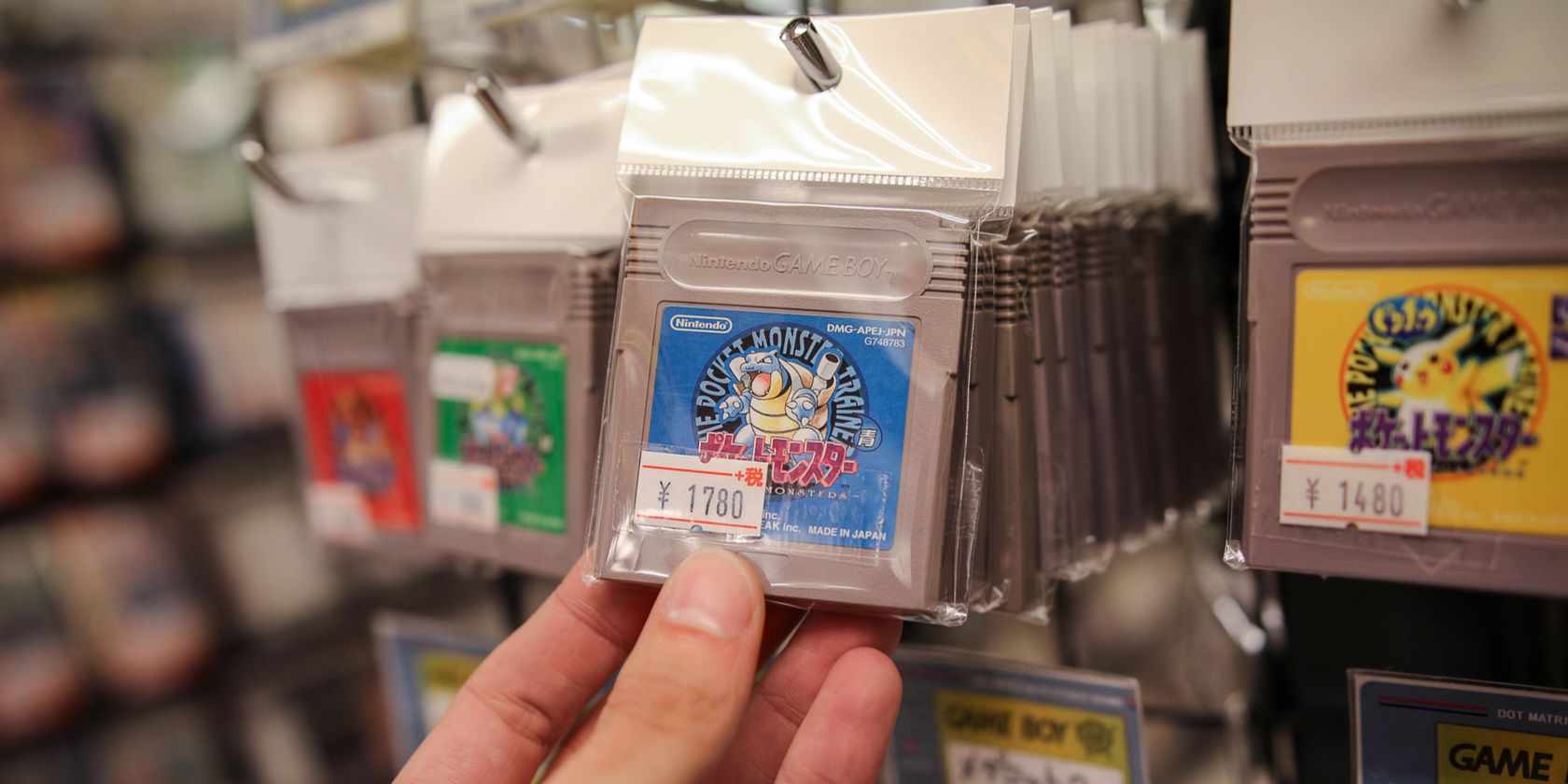
Imagine a world where the joy of playing your favorite classic video game is relegated to faded memories, where the digital worlds that captivated you as a child are now inaccessible. The vibrant pixel art, the captivating soundtracks, and the innovative gameplay mechanics – all lost to the relentless march of technological obsolescence. This isn't just about nostalgia; it's about preserving a vital part of our cultural heritage.
The challenges facing game preservation are substantial. Unlike physical artifacts, digital games are inherently fragile. They rely on specific hardware, operating systems, and software dependencies that become outdated at an alarming rate. Licensing issues, proprietary formats, and the sheer complexity of modern game development further complicate the picture. Ensuring these experiences remain available for future generations demands innovative solutions.
This article explores the crucial field of digital preservation for video games, focusing on the technical methods used to safeguard our gaming history. We will delve into the techniques employed to combat obsolescence, address legal hurdles, and ensure that future generations can experience the magic of classic and modern games alike.
In this exploration of digital game preservation, we'll uncover the various technical strategies employed to keep games alive. From emulation and virtualization to source code preservation and reverse engineering, we'll examine the tools and techniques that are essential for safeguarding our gaming heritage. We'll also consider the legal and ethical considerations that shape this evolving field, including copyright issues and the challenges of preserving online multiplayer experiences. Key terms include: Emulation, Virtualization, ROM images, Source code preservation, Game preservation, Reverse engineering, Digital archiving, Copyright law, and Software preservation.
Emulation and Virtualization
Emulation and virtualization are two of the most common and effective strategies for preserving video games. My first experience with emulation was trying to play an old Nintendo 64 game on my PC. I remember being amazed that I could relive those childhood memories on a modern device, even though the original console was long gone. It wasn't perfect, of course. There were graphical glitches, sound issues, and the controls felt a bit off. But the fact that it worked at all was a testament to the power of emulation. Emulation involves creating a software-based replica of the original hardware and operating system on a modern computer. This allows the game to run as it was originally intended, even if the original hardware is no longer available. Virtualization, on the other hand, creates a virtual machine that simulates the entire computing environment, including the operating system and hardware. This approach is particularly useful for preserving games that rely on specific operating systems or software dependencies. The benefits of emulation and virtualization are numerous. They allow us to play classic games on modern devices, preserve the original gameplay experience, and create digital archives that can be accessed by researchers and enthusiasts for years to come. However, there are also challenges associated with these techniques. Emulation can be computationally intensive, requiring powerful hardware to run complex games smoothly. Virtualization can be complex to set up and maintain, requiring specialized knowledge and expertise. Furthermore, both techniques raise legal and ethical questions regarding copyright and intellectual property rights. Digital preservation efforts often involve working closely with copyright holders to obtain permission to emulate or virtualize games for preservation purposes. The goal is to strike a balance between preserving our gaming heritage and respecting the rights of game developers and publishers. This ensures that future generations can experience the joy of classic games without infringing on copyright laws.
Source Code Preservation
Source code preservation represents a gold standard in digital game preservation. When the source code of a game is preserved, it becomes possible to study, modify, and even recompile the game for modern platforms. This ensures that the game remains playable and accessible for generations to come. However, obtaining and preserving source code is not always easy. Many game developers are reluctant to release their source code, either due to proprietary concerns or because they no longer have the resources to maintain it. In some cases, source code has been lost or destroyed, making it impossible to recover. Despite these challenges, there have been some notable successes in source code preservation. For example, the source code for Doom and Quake, two iconic first-person shooters, has been released to the public, allowing fans to create ports and modifications that keep the games alive and relevant. Preserving source code requires careful planning and execution. It involves creating a secure and reliable repository for the code, as well as documenting the build process and any dependencies. The code must also be properly licensed to ensure that it can be used and distributed freely. Source code preservation is not just about ensuring that games remain playable; it's also about preserving the history of game development. By studying the source code of classic games, we can learn about the programming techniques and design principles that shaped the industry. This knowledge can be invaluable for future generations of game developers. Digital preservation teams work tirelessly to locate, archive, and share source code, often facing legal and technical hurdles in the process. Their dedication ensures that the creative vision of game developers is not lost to time.
Reverse Engineering
Reverse engineering is a technique used to deconstruct a game and understand its inner workings, even when the source code is unavailable. This can involve disassembling the game's executable code, analyzing its data structures, and recreating its algorithms. Reverse engineering is a complex and time-consuming process, requiring specialized skills and tools. However, it can be invaluable for preserving games that would otherwise be lost to obsolescence. One of the most notable examples of reverse engineering in game preservation is the work done on the classic adventure game Grim Fandango. When the game's original source code was lost, a team of dedicated fans reverse engineered the game to create a new version that could run on modern platforms. This allowed Grim Fandango to be re-released to critical acclaim, introducing it to a new generation of players. Reverse engineering can also be used to create emulators for classic consoles and computers. By understanding the hardware architecture and software dependencies of these systems, developers can create emulators that allow us to play classic games on modern devices. The legality of reverse engineering is a complex issue, as it can potentially infringe on copyright laws. However, in many jurisdictions, reverse engineering is permitted for the purpose of interoperability and software preservation. The key is to ensure that the reverse engineered code is not used to create infringing copies of the original game. Digital preservation efforts often involve a combination of reverse engineering and other techniques, such as emulation and source code preservation. By using a multi-faceted approach, we can increase the chances of successfully preserving our gaming heritage.
Digital Archiving
Digital archiving is the process of storing and managing digital assets, such as video games, in a way that ensures their long-term accessibility. This involves creating a secure and reliable repository for the games, as well as implementing metadata standards and preservation strategies. One of the biggest challenges in digital archiving is the rapid pace of technological change. File formats, storage media, and operating systems become obsolete at an alarming rate, making it difficult to ensure that digital assets remain accessible for more than a few years. To combat this, digital archivists employ a variety of techniques, such as format migration, emulation, and virtualization. Format migration involves converting digital assets from obsolete formats to more modern formats. Emulation and virtualization, as discussed earlier, allow us to run games on modern devices, even if the original hardware and software are no longer available. Digital archiving also involves creating detailed metadata about each game, including its title, developer, publisher, release date, and platform. This metadata helps us to identify and manage the games, as well as to understand their historical and cultural significance. Metadata also allows researchers and enthusiasts to find the games they are looking for, even if they don't know the exact title or release date. Digital preservation repositories play a vital role in ensuring that our gaming heritage is not lost to time. These repositories provide a safe and secure home for digital games, as well as the tools and expertise needed to preserve them for future generations. Digital preservation and archiving are important not only for video games, but for digital heritage in general.
Recommendations for Game Preservation
For individuals passionate about preserving video games, there are several ways to contribute to the cause. Start by familiarizing yourself with the technical methods discussed earlier, such as emulation and virtualization. Experiment with these techniques and learn how to set up and configure emulators and virtual machines. Another way to get involved is to contribute to open-source game preservation projects. Many of these projects rely on volunteers to help with tasks such as reverse engineering, data archiving, and documentation. You can also support game preservation organizations by donating your time or money. These organizations play a vital role in advocating for game preservation and promoting best practices in the field. If you are a game developer, consider releasing your game's source code to the public. This will ensure that your game remains playable and accessible for generations to come. If you are a collector of classic games, take steps to preserve your collection. This includes backing up your games, storing them in a safe and climate-controlled environment, and documenting their history and provenance. Digital preservation is not just the responsibility of institutions and organizations; it's something that everyone can contribute to. By working together, we can ensure that our gaming heritage is preserved for future generations. Consider joining online communities dedicated to game preservation. These communities provide a forum for sharing information, asking questions, and collaborating on preservation projects. Advocate for stronger copyright laws that protect the rights of game developers while also allowing for reasonable preservation efforts.
Understanding ROM Images
ROM images are digital copies of the data stored on read-only memory (ROM) chips, which were commonly used in classic game consoles and arcade machines. These images contain the game's code, graphics, and other data, and they are essential for emulating classic games on modern devices. Creating ROM images involves extracting the data from the original ROM chips using specialized hardware and software. This process can be complex and time-consuming, requiring a high level of technical expertise. However, it is crucial for preserving classic games that would otherwise be lost to obsolescence. ROM images are typically stored in a variety of file formats, such as .zip, .smc, and .nes. These formats are designed to compress the data and make it easier to store and distribute. However, it is important to note that distributing ROM images of copyrighted games without permission is illegal. Despite the legal restrictions, ROM images play a vital role in game preservation. They allow us to play classic games on modern devices, study the history of game development, and create digital archives that can be accessed by researchers and enthusiasts. ROM images are an essential part of digital preservation efforts, enabling enthusiasts and researchers to experience and analyze classic games on modern systems, regardless of the original hardware's condition. The creation and use of ROM images require a careful balance between preservation efforts and respecting copyright laws.
Tips for Game Preservation
One of the most important tips for game preservation is to create multiple backups of your games. This will ensure that you don't lose your games if your hard drive fails or your storage media becomes corrupted. Store your backups in different locations, such as on a cloud storage service or on an external hard drive. Another important tip is to use a reliable file format for your games. Some file formats are more prone to corruption than others. Choose a format that is widely supported and that has a good track record for data integrity. Consider using checksums or hash values to verify the integrity of your game files. Checksums are mathematical algorithms that generate a unique value for each file. If the checksum of a file changes, it means that the file has been corrupted. Use a reliable archiving tool to create compressed archives of your games. This will help to reduce the size of your game files and make them easier to store and manage. Choose an archiving tool that supports strong encryption to protect your games from unauthorized access. Document your game collection. This includes creating a list of all the games you own, as well as any relevant information about them, such as their title, developer, publisher, release date, and platform. Take good care of your physical game media. This includes storing your games in a cool, dry place and handling them with care. Clean your game cartridges and discs regularly to remove dust and dirt. Game preservation requires vigilance and proactive measures to ensure that our gaming heritage is not lost to time.
Preserving Online Multiplayer Experiences
Preserving online multiplayer experiences is one of the most challenging aspects of game preservation. Online multiplayer games rely on servers and network infrastructure that are often shut down by the game's publisher after a few years. When the servers are shut down, the game becomes unplayable, and the online multiplayer experience is lost forever. One way to preserve online multiplayer experiences is to create private servers. These servers are run by fans and volunteers, and they allow players to continue playing the game even after the official servers have been shut down. Another approach is to emulate the original servers. This involves recreating the server software and network protocols in a way that allows players to connect to the emulated servers using the original game client. However, emulating servers can be complex and time-consuming, requiring a high level of technical expertise. Another challenge in preserving online multiplayer experiences is the issue of player data. Many online multiplayer games store player data on the game's servers, such as character progress, achievements, and leaderboards. When the servers are shut down, this data is often lost. One way to preserve player data is to create backups of the server databases. These backups can then be used to restore the player data on private servers or emulated servers. Preserving online multiplayer experiences requires a collaborative effort between game developers, publishers, and fans. Game developers and publishers can help by releasing the server software and network protocols to the public. Fans can help by creating private servers, emulating servers, and documenting the game's online multiplayer experience. By working together, we can ensure that online multiplayer games are not lost to time.
Fun Facts About Game Preservation
Did you know that the Library of Congress has a collection of video games? The Library of Congress recognizes video games as an important part of our cultural heritage, and it has been collecting and preserving them since 2010. Another fun fact is that there is a video game museum in Berlin, Germany. The Computer Games Museum is home to a vast collection of video games, consoles, and arcade machines. The museum also hosts exhibitions and events that celebrate the history of video games. Did you know that the first video game was created in 1958? The game, called Tennis for Two, was created by William Higinbotham at Brookhaven National Laboratory. Tennis for Two was a simple tennis game that was played on an oscilloscope. The game was a hit at the laboratory's annual open house, and it is considered to be one of the first video games ever created. Another fun fact is that the video game industry is bigger than the movie and music industries combined. In 2020, the video game industry generated over $175 billion in revenue. This is more than the movie and music industries combined. These fun facts highlight the importance and cultural significance of video games, emphasizing the need for effective preservation efforts to ensure their accessibility for future generations. The global impact of the video game industry underscores the urgency of safeguarding its history and creative output.
How To Get Started With Game Preservation
Getting started with game preservation can seem daunting, but it's more accessible than you might think. Begin by focusing on games you personally care about. This passion will fuel your dedication and make the process more enjoyable. Start with emulation, as it's one of the easiest entry points. Download an emulator for a console you're interested in, such as the SNES or Sega Genesis. Then, find ROM images of games you own (remember to respect copyright laws). Experiment with different emulator settings to optimize performance and graphics. As you become more comfortable with emulation, consider exploring other preservation techniques. Learn about ROM hacking, which involves modifying game data to fix bugs, add new features, or translate games into different languages. Look into reverse engineering tools like disassemblers and debuggers, which can help you understand how games work under the hood. Contribute to existing game preservation projects. Many open-source projects are actively working to preserve games and related materials. These projects often need help with tasks like data entry, documentation, and testing. Finally, network with other game preservation enthusiasts. Join online forums, attend conferences, and connect with people who share your passion. Learning from others and collaborating on projects will greatly enhance your skills and knowledge. Taking these steps will allow you to contribute to preserving video games for future generations.
What If Game Preservation Fails?
The failure of game preservation would have profound consequences. We would lose access to a significant part of our cultural heritage. Video games are not just entertainment; they are also works of art, historical documents, and reflections of our society. Losing them would be like losing a library or a museum. Future generations would be unable to experience the games that shaped our culture and influenced our world. They would miss out on the innovative gameplay mechanics, captivating stories, and stunning visuals that make video games so unique. The loss of video games would also have a negative impact on the game development industry. Future game developers would be unable to learn from the past, and they would be forced to reinvent the wheel. This would stifle innovation and slow down the progress of the industry. Furthermore, the failure of game preservation would set a dangerous precedent. It would send a message that digital media is not worth preserving and that it is acceptable to let our digital heritage disappear. This could lead to the loss of other important digital assets, such as photographs, videos, and documents. The consequences of failing to preserve video games would extend far beyond the gaming world. It would be a loss for our culture, our history, and our future. Therefore, it is essential that we continue to invest in game preservation and ensure that our gaming heritage is preserved for future generations. The inability to study past successes and failures would hinder progress and creativity within the industry.
Listicle of Game Preservation Techniques
Here are some of the most important techniques for preserving video games:
- Emulation: Running games on software that mimics the original hardware.
- Virtualization: Creating a virtual machine that simulates the entire computing environment.
- Source Code Preservation: Saving the original code for future modification and recompilation.
- Reverse Engineering: Deconstructing games to understand their inner workings.
- Digital Archiving: Storing and managing digital assets for long-term accessibility.
- Format Migration: Converting games to more modern file formats.
- Hardware Preservation: Maintaining and restoring original gaming consoles and computers.
- Software Preservation: Saving operating systems and applications for long-term use.
- Community Involvement: Encouraging fans and volunteers to contribute to preservation efforts.
- Legal Advocacy: Working to change copyright laws to allow for reasonable preservation efforts.
These techniques represent a multi-faceted approach to game preservation, ensuring that different aspects of gaming history are protected. Each method plays a crucial role in maintaining the accessibility and integrity of video games for future generations. By combining these strategies, we can create a comprehensive plan for safeguarding our gaming heritage.
Question and Answer
Q: Why is game preservation important?
A: Game preservation is important because video games are a significant part of our cultural heritage. They are works of art, historical documents, and reflections of our society. Preserving them ensures that future generations can experience and learn from them.
Q: What are some of the biggest challenges in game preservation?
A: Some of the biggest challenges include technological obsolescence, copyright issues, the complexity of modern game development, and the lack of funding and resources.
Q: How can individuals contribute to game preservation?
A: Individuals can contribute by learning about preservation techniques, supporting game preservation organizations, donating their time and money, and advocating for stronger copyright laws that allow for reasonable preservation efforts.
Q: What are some of the benefits of emulation and virtualization?
A: Emulation and virtualization allow us to play classic games on modern devices, preserve the original gameplay experience, and create digital archives that can be accessed by researchers and enthusiasts for years to come.
Conclusion of Digital Preservation Games: Technical Methods for Game Conservation
The preservation of video games is a multifaceted endeavor, requiring a blend of technical expertise, legal awareness, and community engagement. From emulation and virtualization to source code preservation and reverse engineering, the methods we've explored offer a pathway to safeguarding our gaming heritage. While challenges remain, the dedication of preservationists, developers, and enthusiasts provides hope that future generations will have the opportunity to experience the magic and innovation of video games. By embracing these techniques and fostering a culture of preservation, we can ensure that the digital worlds we cherish are not lost to time.
Post a Comment