Activation Limit DRM: Installation Restrictions in Gaming
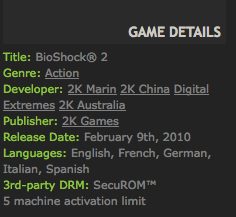
Have you ever purchased a game, eagerly installed it, and then been met with a frustrating message saying you've already activated it too many times? This wall between you and your digital entertainment is often thanks to activation limits, a form of DRM, and it's a topic that sparks debate among gamers.
Imagine buying a game you own outright, only to discover you can't install it on your new computer because you've reached your activation limit. Or perhaps your hard drive crashed, requiring a reinstall, and now you're locked out. It certainly raises concerns about ownership and how we interact with the games we purchase.
The intention behind activation limits is to combat piracy and protect the revenue of game developers and publishers. By restricting the number of installations, companies hope to deter users from illegally sharing copies of their games. However, this measure can also impact legitimate paying customers, creating a tension between security and user experience.
This article explores the world of activation limit DRM in gaming, digging into its purpose, its impact on players, and the discussions surrounding its use. We'll examine how these restrictions affect our ability to enjoy the games we buy and consider alternative approaches that balance security with consumer rights. Key topics include DRM, game activation, installation limits, piracy prevention, user experience, and digital ownership.
Understanding the Purpose of Activation Limits
The primary goal of activation limits is to prevent the unauthorized duplication and distribution of games. My first encounter with this system was back in the early 2000s. I had purchased a physical copy of a strategy game, excited to dive in. I installed it on my desktop without issue. Months later, when my laptop became my primary gaming machine, I tried to install it again, only to be greeted with a message stating I had exceeded my activation limit. I was so frustrated! I had to contact customer support, provide proof of purchase, and wait for them to manually reset the activation count. It was a hassle, and it made me question the value of owning a physical copy if I couldn't use it freely on my own devices.
Activation limits act as a digital gatekeeper, aiming to ensure that each purchased copy of a game is used only by the authorized owner. Without these limits, it would be easier for pirates to create and distribute copies of the game, potentially impacting sales and revenue for the developers. The idea is that by making it harder to share the game illegally, more people will be encouraged to purchase legitimate copies. This revenue, in turn, supports the development of future games.
While the intention is understandable, the implementation can be problematic. Legitimate users, like myself in the example above, can be inconvenienced by these restrictions. If a user upgrades their computer, experiences a hardware failure, or simply wants to play the game on a different device they own, they may run into the activation limit. This can lead to frustration and a feeling of being penalized for being a paying customer. Many argue that these systems primarily affect honest users, while pirates often find ways to bypass these restrictions anyway.
Ultimately, the purpose of activation limits is to protect the financial interests of game developers and publishers by deterring piracy. However, the effectiveness of this approach and its impact on legitimate users remain a subject of ongoing debate within the gaming community.
What Exactly Are Activation Limits?
Activation Limit DRM: Installation Restrictions in Gaming is a type of digital rights management (DRM) that restricts the number of times a game can be installed and activated on different devices. Essentially, it's a counter that tracks how many times a game has been authorized to run on a particular system.
When you install a game protected by an activation limit, you typically need to activate it online, often by entering a product key or serial number. This activation process links your copy of the game to your account or your computer's hardware. The activation server then records this installation, decrementing the remaining activation count associated with your product key. Once you reach the activation limit, you can no longer install and activate the game on any new devices without contacting customer support or using some kind of deactivation process (if available).
The number of activations allowed varies from game to game. Some games might allow only one activation, meaning you can only install and play it on a single computer. Others might allow two, three, or even more activations. It really depends on the publisher's policy and the specific DRM system used. Some DRM systems also offer a deactivation process, allowing you to "un-install" the game from one computer and free up an activation slot for another. However, this process isn't always straightforward or reliable, and sometimes it isn't even available.
Activation limits are often combined with other DRM technologies, such as online authentication requirements or persistent internet connections, to further restrict access and prevent unauthorized copying. These measures can create a complex web of restrictions that can be frustrating for legitimate players.
History and Myths Surrounding Activation Limits
The history of activation limits in gaming is intertwined with the rise of digital distribution and the ongoing battle against software piracy. Before the widespread adoption of digital downloads, physical copies of games were primarily protected by serial keys and basic copy protection schemes. However, as internet speeds increased and digital distribution platforms like Steam emerged, it became easier for pirates to distribute games online.
In response, game developers and publishers began implementing more robust DRM technologies, including activation limits, to combat piracy. One of the earliest and most infamous examples was Secu ROM, a DRM system that was widely used in the mid-2000s and often included activation limits. Secu ROM was notorious for its intrusive nature, requiring multiple activations and sometimes even installing hidden drivers on users' computers. Its implementation often led to compatibility issues and performance problems, further frustrating legitimate players.
One common myth surrounding activation limits is that they are incredibly effective at preventing piracy. While they can deter casual piracy and limit the spread of games among friends, determined pirates often find ways to bypass these restrictions. Cracking groups regularly release "cracked" versions of games that remove the DRM, allowing users to install and play the game without activation. In some cases, these cracked versions even offer better performance than the original DRM-protected versions.
Another myth is that activation limits are solely intended to protect developers from piracy. While that's certainly a primary motivation, some argue that they also serve to control the secondary market for games. By restricting the number of activations, publishers can limit the resale of used games, forcing players to purchase new copies instead.
The use of activation limits has always been controversial, with many players arguing that they are a form of punishment for paying customers. The debate continues to this day, with some developers abandoning DRM altogether and others continuing to use it in various forms.
The Hidden Secrets of Activation Limits
One of the lesser-known aspects of activation limits is the complexity of their implementation. Behind the scenes, DRM systems use various techniques to identify and track installations. These techniques can include hardware fingerprinting, which involves collecting data about the user's computer components to create a unique identifier.
This hardware fingerprint is then used to associate the game activation with a specific machine. If the user makes significant changes to their hardware, such as replacing their motherboard or CPU, the DRM system may detect a different fingerprint and consider it a new installation, potentially consuming another activation.
Another secret is the way activation limits are often tied to specific versions of the game. If a user installs a patch or update, the DRM system may treat it as a separate installation, especially if the update involves significant changes to the game's files. This can be particularly problematic if the user needs to reinstall the game after updating it.
Furthermore, some DRM systems collect and transmit data about the user's computer and gameplay habits back to the publisher. This data can be used for various purposes, such as tracking game usage, identifying potential pirates, or even targeting advertising. However, this data collection raises privacy concerns, as users may not be aware of the extent to which their information is being monitored.
Finally, the "hidden secret" is that activation limits are not a perfect solution and can be bypassed. While they may deter some level of piracy, they're often cracked, circumvented, or outright removed from games by dedicated groups. In many cases, pirates can enjoy DRM-free versions of games, while paying customers are stuck with the limitations and potential performance issues caused by DRM.
Recommendations Regarding Activation Limits
Given the drawbacks of activation limits, what are some potential recommendations for developers and publishers? One approach is to adopt more lenient activation policies. Allowing a reasonable number of activations, such as five or more, can accommodate legitimate users who may need to install the game on multiple devices or reinstall it after hardware failures.
Another recommendation is to offer a simple and reliable deactivation process. This allows users to easily remove the game from one computer and free up an activation slot for another. The deactivation process should be user-friendly and accessible, without requiring users to contact customer support or jump through hoops.
An even better approach is to consider DRM-free distribution. Platforms like GOG.com offer games without any DRM, allowing users to install and play them without restrictions. While DRM-free distribution may seem risky, some developers have found that it can actually increase sales by building trust with customers and reducing the frustration associated with DRM.
Another option is to explore alternative DRM technologies that are less intrusive and don't rely on activation limits. For example, some games use online authentication to verify ownership, but they don't restrict the number of installations. This approach allows users to play the game on multiple devices as long as they can authenticate their account online.
Ultimately, the best approach is to prioritize the user experience and treat paying customers with respect. Implementing overly restrictive DRM measures can alienate legitimate players and drive them towards piracy. By adopting more lenient and user-friendly DRM policies, developers can strike a better balance between protecting their revenue and providing a positive gaming experience.
The Technical Aspects of Activation Limits
Delving deeper into the technical aspects, activation limits are typically enforced using a combination of software and hardware identifiers. When a game is installed, it generates a unique "fingerprint" of the user's system. This fingerprint can include information about the CPU, motherboard, operating system, and other hardware components. The DRM system then associates this fingerprint with the game's product key or the user's account.
During activation, the game connects to a central server and transmits the fingerprint along with the product key. The server verifies the information and records the activation. If the number of activations associated with the product key exceeds the limit, the server will refuse to activate the game.
The effectiveness of this approach depends on the sophistication of the fingerprinting technology. A simple fingerprinting system can be easily fooled by changing hardware components or using virtualization software. More advanced systems use a combination of techniques to create a more robust and unique identifier.
Another technical aspect is the deactivation process. Some DRM systems allow users to deactivate a game from one computer, freeing up an activation slot for another. This process typically involves connecting to the activation server and transmitting a deactivation request. The server then removes the associated fingerprint from the activation record.
However, the deactivation process is not always reliable. Sometimes, the server may be unavailable, or the deactivation request may fail. In these cases, users may need to contact customer support to manually reset their activation count. Additionally, some DRM systems do not offer a deactivation process at all, leaving users stranded if they need to reinstall the game on a new computer.
The technical complexities of activation limits can create a frustrating experience for legitimate users. When things go wrong, it can be difficult to troubleshoot the problem and resolve it without the help of customer support. This can lead to negative reviews and damage the reputation of the game.
Tips for Dealing with Activation Limits
If you're faced with a game that uses activation limits, there are several tips that can help you avoid problems. First, before installing the game, make sure to read the fine print and understand the activation policy. Check how many activations are allowed and whether there is a deactivation process.
Second, keep a record of your product key and activation information. Store it in a safe place, such as a password manager or a cloud storage service. This will make it easier to reinstall the game if you need to.
Third, if you're planning to upgrade your computer or change your hardware, deactivate the game before doing so. This will free up an activation slot and prevent you from running into problems later.
Fourth, if you encounter an activation error, try troubleshooting the problem yourself before contacting customer support. Check your internet connection, make sure your system meets the game's requirements, and try restarting your computer.
Fifth, if you can't resolve the issue yourself, contact the game's customer support. Be prepared to provide proof of purchase and detailed information about the problem you're experiencing. Be patient and polite, as customer support representatives are often dealing with a high volume of requests.
Finally, consider supporting developers who offer DRM-free games. By purchasing DRM-free games, you can avoid the hassles of activation limits and enjoy your games without restrictions.
Legal Considerations of Activation Limits
The legality of activation limits and other DRM technologies is a complex and evolving area of law. In many countries, copyright law grants copyright holders the right to control the reproduction and distribution of their works. DRM technologies, including activation limits, are often seen as a way to enforce these rights.
However, there are also legal limitations on the use of DRM. Many countries have laws that prohibit the circumvention of DRM technologies, but there are often exceptions for legitimate purposes, such as fair use or interoperability. For example, some laws allow users to circumvent DRM for the purpose of making backup copies of legally purchased software.
The legality of activation limits also depends on the terms of the end-user license agreement (EULA) that users must agree to when installing the game. The EULA typically outlines the restrictions on the use of the software, including the activation policy. However, some terms in the EULA may be unenforceable if they are deemed to be unfair or unreasonable.
In recent years, there have been several legal challenges to the use of DRM, particularly in the context of digital media. Some courts have ruled that certain DRM technologies are anticompetitive or violate consumer protection laws.
The legal landscape surrounding activation limits and DRM is constantly changing. As technology evolves and new legal challenges arise, the boundaries of what is permissible will continue to be debated and refined.
Fun Facts About Activation Limits
Did you know that some early DRM systems used physical tokens or dongles to verify ownership? These devices had to be plugged into the computer in order to run the game. While these physical tokens are largely a thing of the past, they represent one of the earliest attempts to control access to software.
Another fun fact is that some developers have secretly removed DRM from their games after they've been on the market for a while. This is often done to improve the user experience or to address compatibility issues. In some cases, the removal of DRM is not publicly announced, but it is discovered by players who notice that the activation requirements are no longer in place.
Activation limits can sometimes create unexpected consequences. For example, if a game server goes offline or the developer goes out of business, it may become impossible to activate or even play the game, even if you have a legitimate copy.
There have been cases where activation limits have been exploited by hackers to create fake product keys or activation servers. These fake keys can then be sold online, allowing pirates to bypass the DRM and play the game without paying for it.
Finally, some games have implemented creative ways to bypass activation limits. For example, one game allowed users to transfer their activation to another computer by burning a special CD-ROM. This was a clever way to allow users to move their game to a new machine without having to contact customer support.
How to Bypass Activation Limits (Generally Not Recommended)
I must preface this by saying that attempting to bypass activation limits can be illegal and unethical, and I do not endorse or encourage such activities. However, for informational purposes only, here are some methods that have been used to bypass activation limits, though their effectiveness varies, and they often come with risks.
One common method is to use a "crack" or "trainer" that removes the DRM from the game. These cracks are typically created by hackers and distributed online. However, using cracks can be dangerous, as they may contain malware or viruses that can harm your computer.
Another method is to use a virtual machine to create a virtual environment where the game can be installed and activated. This allows you to install the game multiple times without consuming additional activations. However, virtual machines can be resource-intensive and may not provide the best gaming performance.
Some users have also attempted to modify the game's files to bypass the activation requirements. This involves reverse engineering the game's code and altering it to remove the DRM checks. However, this is a complex and time-consuming process that requires advanced technical skills.
Another method is to use a key generator to create fake product keys. However, these keys are often detected by the activation server and blocked. Additionally, using fake keys is illegal and can result in legal consequences.
Again, it's important to emphasize that these methods are generally not recommended. They can be illegal, dangerous, and may not even work. The best approach is to respect the game's activation policy and contact customer support if you encounter any problems.
What If Activation Servers Go Down?
One of the biggest concerns with activation limit DRM is what happens when the activation servers go down. If the servers are unavailable, it may become impossible to activate or even play the game, even if you have a legitimate copy. This can be a major problem for users who want to reinstall the game or move it to a new computer.
In some cases, developers may release a patch or update that removes the DRM if the activation servers are permanently shut down. This allows users to continue playing the game without any restrictions.
However, in other cases, the game may become unplayable. This is particularly true for older games that are no longer supported by the developer. If the activation servers are gone and there is no DRM-free version available, the game may be lost forever.
There have been several high-profile cases where games have become unplayable due to server shutdowns. This has led to calls for developers to provide DRM-free versions of their games before shutting down the activation servers.
Some developers have taken steps to address this issue by offering offline activation methods or by providing DRM-free versions of their games to users who have purchased them. However, this is not always the case, and many users have been left with unplayable games.
The possibility of server shutdowns is a major drawback of activation limit DRM. It highlights the fact that users do not truly own the games they purchase, but rather they are merely licensing the right to play them. This has led to calls for stronger consumer protection laws that would give users more control over the games they purchase.
Listicle: Activation Limit DRM: Installation Restrictions in Gaming
1.Activation Limits Defined: Activation limits are a form of DRM that restricts the number of times a game can be installed on different devices.
2.Purpose: Fighting Piracy: The primary goal of activation limits is to prevent the unauthorized duplication and distribution of games, protecting developer revenue.
3.User Frustration: Legitimate users can be inconvenienced by these restrictions when upgrading computers or experiencing hardware failures.
4.Technical Implementation: Activation limits are enforced using a combination of software and hardware identifiers, creating a system fingerprint.
5.Deactivation Process: Some DRM systems offer a deactivation process to free up activation slots, but this isn't always reliable.
6.DRM-Free Alternatives: DRM-free distribution platforms like GOG.com offer games without activation limits.
7.Legal Considerations: The legality of activation limits is a complex area of law, with limitations on DRM circumvention.
8.Server Shutdown Concerns: A major drawback is the potential for server shutdowns, rendering games unplayable.
9.Historical Con Activation limits emerged with digital distribution to combat increasing piracy.
10.Myths Debunked: The effectiveness of activation limits in preventing piracy is often overstated, as cracks are frequently available.
Question and Answer
Question 1: What happens if I reach my activation limit?
Answer: If you reach your activation limit, you will no longer be able to install and activate the game on new devices. You will typically need to contact customer support, provide proof of purchase, and request a reset of your activation count.
Question 2: Can I transfer my activation to another computer?
Answer: Some DRM systems allow you to deactivate the game from one computer and free up an activation slot for another. However, this process is not always available or reliable. Check the game's documentation or contact customer support for more information.
Question 3: What are the risks of bypassing activation limits?
Answer: Attempting to bypass activation limits can be illegal and unethical. It can also be dangerous, as cracks and key generators may contain malware or viruses that can harm your computer.
Question 4: What are some alternatives to activation limit DRM?
Answer: Some alternatives to activation limit DRM include DRM-free distribution, online authentication, and more lenient activation policies. These approaches aim to strike a better balance between protecting revenue and providing a positive user experience.
Conclusion of Activation Limit DRM: Installation Restrictions in Gaming
Activation Limit DRM remains a contentious issue in the gaming world. While it aims to protect developers from piracy, its restrictive nature often frustrates legitimate players. The industry continues to seek a balance between protecting intellectual property and providing a user-friendly experience. The future may lie in more sophisticated and less intrusive DRM methods, or perhaps even a move away from DRM altogether. Understanding the intricacies of activation limits empowers gamers to make informed choices and advocate for fairer digital ownership practices. Ultimately, the goal is to create a gaming ecosystem where developers are fairly compensated, and players can enjoy their games without unnecessary restrictions.
Post a Comment